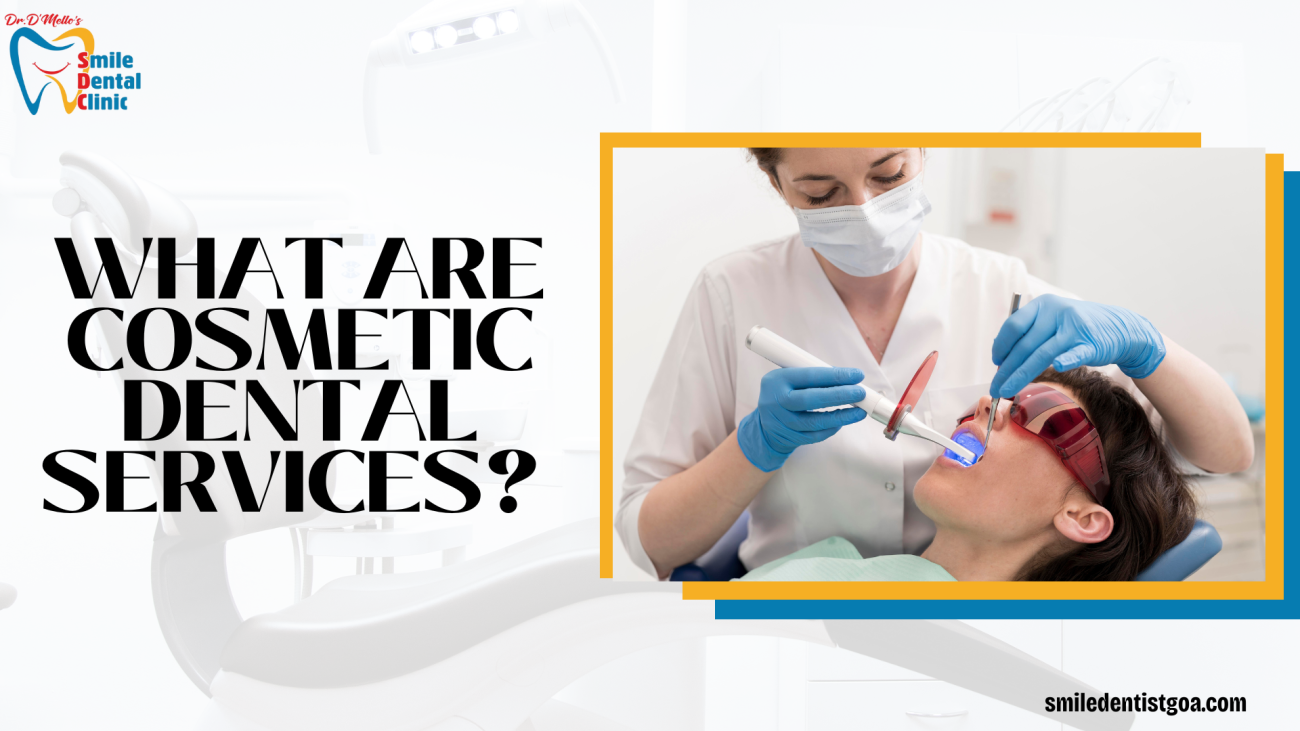
cosmetic dental services (3)

What Are Cosmetic Dental Services? A Complete Guide to Smile Makeovers

A confident smile can change the way you speak, work, and connect with people. That is why cosmetic dental services have become an important part of modern dentistry. These treatments focus on improving the appearance of teeth while keeping comfort, function, and long-term health in mind. Today, a smile makeover is no longer about artificial looks. Instead, it is about natural results that suit your face and personality.

Furthermore, advancements in materials and techniques now allow dentists to correct colour, shape, spacing, and alignment with minimal tooth preparation. This guide explains what these treatments involve, who they are for, and how to choose the right approach for your smile.

Understanding Cosmetic Dental Services and Smile Design

Cosmetic dental services refer to a group of dental treatments designed to enhance the look of your teeth and smile. However, they are not only about appearance. Many procedures also improve bite balance, oral hygiene, and overall confidence.

Smile design usually begins with a detailed evaluation. Dentists assess tooth colour, proportions, gum health, facial symmetry, and your personal expectations. Consequently, each plan is customised rather than based on a one-size-fits-all approach.

In regions known for advanced dental care and patient-focused planning, such as Cosmetic dentistry in Goa, clinics often combine aesthetics with precision diagnostics. This ensures that the final result looks natural and lasts for years.

cosmetic dental services

Ceramic Dental Veneers: Subtle Changes, Powerful Results

Ceramic veneers are among the most popular smile makeover options. These are wafer-thin shells bonded to the front surface of teeth to improve colour, shape, size, or symmetry. Specifically, they are ideal for people who want noticeable improvement without aggressive drilling.

Veneers work well for discoloured teeth, worn enamel, chipped edges, uneven shapes, and gaps. Furthermore, modern porcelain is highly stain-resistant and mimics natural tooth translucency. With proper care, veneers can last for many years while maintaining their original appearance.

Another advantage is comfort. The procedure is generally pain-free and requires little to no recovery time, making it suitable for working professionals and travellers alike.

Invisible Braces: Straightening Without Metal

Teeth do not always remain in perfect alignment throughout life. Shifting can occur due to growth, habits, or ageing. Clear aligners, often called invisible braces, provide a discreet solution.

Unlike traditional metal braces, these aligners are transparent, removable, and customised to your mouth. Consequently, they allow easy cleaning, no dietary restrictions, and improved comfort. Patients appreciate that the trays fit seamlessly into daily life while delivering effective results.

For individuals seeking cosmetic improvement without drawing attention, this orthodontic option fits perfectly within modern cosmetic dental services focused on lifestyle-friendly care.

Tooth-Coloured Fillings: Aesthetic Restoration That Blends In

Fillings are no longer visible metal patches. Today, composite or ceramic fillings are designed to match the natural colour of your teeth. As a result, treated teeth look intact and healthy rather than repaired.

These fillings are used to restore decayed, cracked, or worn teeth while maintaining aesthetics. Additionally, they support tooth structure and prevent further damage. When combined with other cosmetic treatments, they help create a uniform, polished smile.

Patients often choose this option when they want functional restoration without compromising appearance.

Metal-Free Ceramic Crowns: Strength Meets Natural Beauty

Crowns are sometimes necessary when a tooth is badly damaged or weakened. Traditional metal-based crowns can appear opaque or unnatural. Metal-free ceramic crowns solve this problem.

All-ceramic and zirconium crowns offer excellent translucency and strength. They are especially suitable for front teeth, where appearance matters most. However, newer zirconium ceramics are strong enough for back teeth as well.

In smile makeover planning, these crowns play a key role in restoring both beauty and durability. Clinics offering Cosmetic dentistry in Goa frequently use such materials to meet international aesthetic standards.

Who Should Consider a Smile Makeover?

A smile makeover is not limited to celebrities or special occasions. It is suitable for anyone unhappy with tooth colour, alignment, shape, or overall harmony.

You may benefit if you have stained or uneven teeth, minor spacing issues, worn enamel, or visible restorations. Moreover, people preparing for weddings, public-facing careers, or life transitions often choose these treatments to boost confidence.

The best outcomes come from realistic expectations and professional guidance. Therefore, consultation and planning are essential steps before beginning any cosmetic work.

Benefits Beyond Appearance

While aesthetics are the primary motivation, the benefits extend further. Improved tooth alignment makes cleaning easier. Restored teeth distribute bite forces more evenly. Consequently, long-term oral health often improves alongside appearance.

Another key advantage is confidence. Patients frequently report better self-esteem and comfort in social interactions. These emotional benefits are just as important as physical changes.

When performed by experienced professionals, cosmetic dental services combine safety, comfort, and predictable outcomes.

Choosing the Right Clinic and Treatment Approach

Selecting the right clinic involves more than comparing prices. Look for experience, hygiene standards, digital diagnostics, and personalised planning. Clear communication and transparent treatment options are also important.

In destinations known for patient-friendly care, such as Dr. DMellos Smile Dental Clinic, which serves both local and international patients. This exposure often leads to higher standards, modern equipment, and refined aesthetic judgment.

Ultimately, the right approach balances your goals, budget, and long-term dental health.

Dr. DMellos Smile Dental Clinic

Final Thoughts 

A smile makeover should enhance who you are, not change your identity. Modern techniques focus on subtle improvements that feel natural and comfortable. From veneers and clear aligners to aesthetic fillings and ceramic crowns, today’s options are versatile and patient-centric.

If you are exploring cosmetic dental services and want results that combine artistry with clinical precision, start with a professional consultation. For those considering trusted care in Goa, Dr. DMellos Smile Dental Clinic offers personalised smile makeover solutions designed to look natural and last long—helping you smile with confidence every day.


What are cosmetic dental services used for? +

Cosmetic dental services improve tooth colour, shape, alignment, and overall smile appearance while maintaining function, comfort, and long-term oral health.

Are cosmetic dental treatments painful? +

Most modern cosmetic treatments are minimally invasive and pain-free. Procedures like veneers, clear aligners, and tooth-coloured fillings are designed for patient comfort.

Who is an ideal candidate for a smile makeover? +

Anyone unhappy with stained, chipped, misaligned, or uneven teeth can benefit. A consultation helps determine the most suitable treatment plan.

How long do cosmetic dental results last? +

With proper care and oral hygiene, results from veneers, ceramic crowns, and aligners can last many years while maintaining a natural appearance.

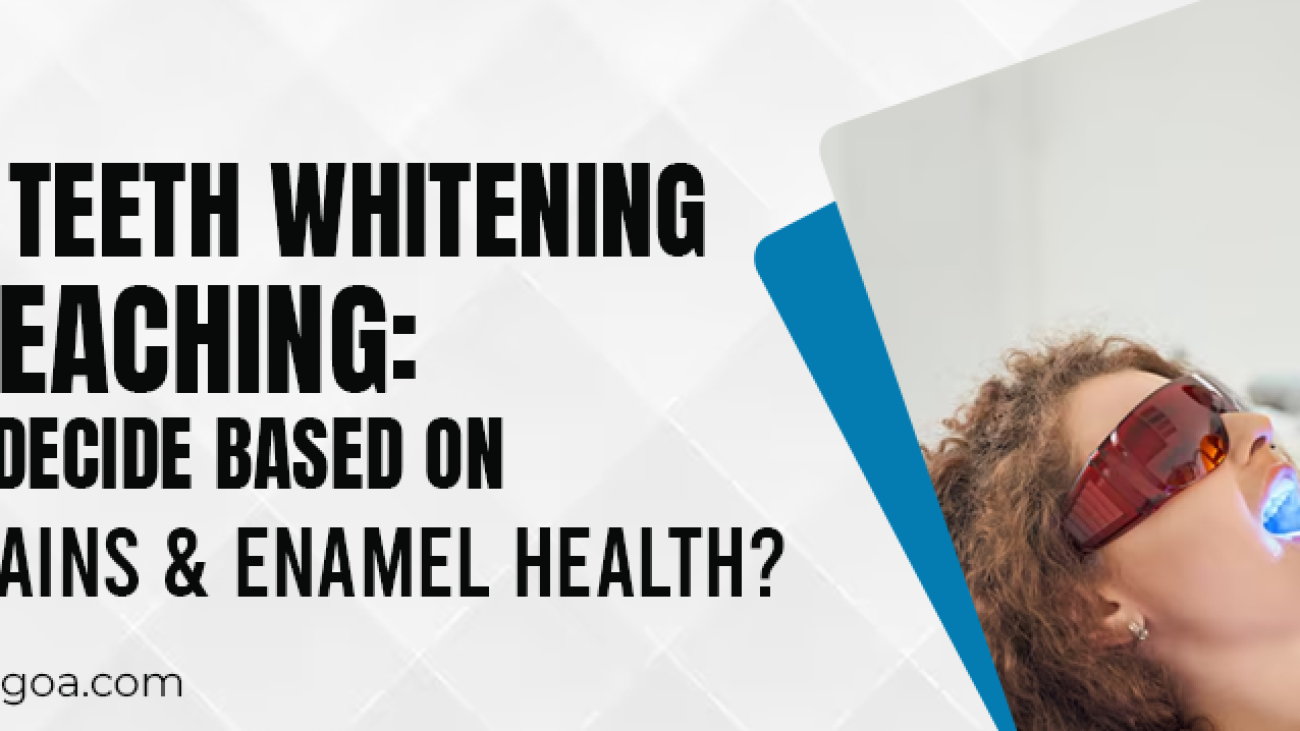
Laser Teeth Whitening vs Bleaching_ How to Decide Based on Your Stains & Enamel Health_

Laser Teeth Whitening vs Bleaching: How to Decide which one is better?

A bright, confident smile is something everyone desires, and modern dentistry offers several ways to achieve it. Among the most popular cosmetic procedures, Laser Teeth Whitening vs Bleaching treatments often stand out as the top choices for patients looking to lighten their tooth shade quickly and effectively. Although both treatments aim to remove stains and enhance your smile, the right choice depends on factors such as the type of stains you have, the thickness and health of your enamel, your tooth sensitivity levels, and how fast you want results.

Many patients feel confused about which method suits them best, especially when they’ve tried DIY whitening with minimal success or are concerned about enamel damage. Understanding the differences between these two professional whitening options is essential for making an informed decision. This guide breaks down how each method works, what results you can expect, and which solution aligns best with your oral health profile. Whether your stains are due to coffee, age, medication, or genetics, learning how these treatments differ can help you choose a safe and effective whitening plan tailored to your needs.

What Causes Tooth Staining—and Why Treatment Choice Matters

Not all stains are the same, and the type of discolouration greatly affects which whitening method will work best:

Extrinsic Stains

These stains stay on the enamel surface and are caused by:

  • Coffee, tea, red wine
  • Tobacco use
  • Strongly colored foods like berries
  • Poor oral hygiene

Best treatment: Both bleaching and laser whitening work well, but laser whitening removes these stains much faster.

Intrinsic Stains

These stains lie deeper within the tooth structure and may be caused by:

  • Aging
  • Excess fluoride
  • Tetracycline medication during childhood
  • Trauma to the tooth

Best treatment: Deep intrinsic stains often respond better to laser whitening because it accelerates the whitening reaction. Some severe intrinsic stains may require multiple sessions or alternative cosmetic procedures such as veneers.

Understanding Laser Teeth Whitening

Laser Teeth Whitening vs Bleaching is an advanced, in-office procedure involving the application of a professional whitening gel that is activated using a dental laser. The laser boosts the chemical reaction, allowing the gel to break down stains rapidly.

Laser Teeth Whitening

How Laser Whitening Works

  1. Your dentist applies a concentrated peroxide-based gel.
  2. The laser heats and energises the gel.
  3. The reaction quickly dissolves stain molecules.
  4. You walk out with visibly brighter teeth in a single session.

Key Benefits of Laser Whitening

  • Fastest results — 6–8 shades lighter in one visit.
  • Ideal for stubborn intrinsic stains.
  • Precision-based, ensuring minimal gum exposure.
  • Less risk of uneven whitening compared to DIY methods.

Possible Considerations

  • May cause temporary sensitivity due to heat.
  • Not ideal for patients with extremely thin enamel.
  • Higher cost due to technology and expertise involved.

Understanding Traditional Bleaching

Traditional bleaching involves professional-strength whitening gels used either in-office or through custom take-home kits from your dentist.

How Bleaching Works

  1. Peroxide gel penetrates enamel to target discolouration.
  2. The gel gradually breaks down stains over several sessions.
  3. Results are visible within 1–3 weeks, depending on the concentration and usage.

Benefits of Traditional Bleaching

  • Gentler on enamel due to slower whitening action.
  • More comfortable for sensitive-teeth patients.
  • Typically more affordable than laser whitening.
  • Great for mild to moderate extrinsic stains.

Possible Considerations

  • Results are gradual, not immediate.
  • Stubborn intrinsic stains may require additional treatments.
  • Requires consistent use for optimal outcomes.

Comparing Laser Whitening and Bleaching Based on Your Oral Health

Sensitivity Levels

  • If you often feel sharp sensitivity from cold or hot drinks, Teeth Whitening in Baga is usually a safer option.
  • Laser whitening may trigger short-term sensitivity but is well-tolerated by most patients.

Enamel Thickness

  • Thin enamel exposes the dentin layer, making teeth appear more yellow.
  • Patients with thin enamel respond better to gentle bleaching, while laser whitening may feel too intense.

Type of Stains

  • Extrinsic stains: Both treatments work; the laser is faster.
  • Intrinsic stains: Laser whitening offers better penetration and improved results.

Desired Speed of Results

  • If you need a quick transformation for an event or wedding, laser whitening gives same-day brightness.
  • If you prefer a gradual improvement, bleaching suits you better.

Long-Term Maintenance

Both treatments require good aftercare to maintain brightness:

  • Avoid staining foods for 48 hours
  • Drink colored beverages through a straw
  • Maintain regular professional cleanings
  • Use dentist-recommended whitening toothpaste for maintenance

Choosing the Right Option: What Dentists Usually Recommend

Dentists in Goa consider your oral health, stain patterns, lifestyle habits, and sensitivity levels to determine the ideal whitening method.

Laser Whitening Is Recommended When

  • You have dark or long-standing intrinsic stains
  • You want immediate results
  • You prefer a single-session procedure
  • Your enamel is healthy, and you have minimal sensitivity


Traditional Bleaching Is Recommended When

  • You have thin or worn enamel
  • Your stains are mild to moderate
  • You prefer a more affordable option
  • You want gradual whitening with flexibility

Often, dentists even recommend a combination approach—laser whitening for rapid brightening, followed by take-home bleaching trays for long-term maintenance.Laser Teeth Whitening vs Bleaching

End Thoughts

Choosing between Laser Teeth Whitening vs Bleaching ultimately depends on your enamel health, sensitivity levels, and the type of stains you’re dealing with. Laser whitening is ideal for fast, dramatic results and deeper stains, while traditional bleaching is better for sensitive teeth and gradual brightening. A professional dental evaluation is the best way to determine which option aligns with your smile goals while protecting your enamel.

If you’re considering whitening your teeth safely and effectively, explore expert-guided treatments from trusted professionals. Learn more at Dr. DMellos Smile Dental Clinic.

Dr. DMello's Smile Dental Clinic

How to Take Care of Braces: Common Mistakes That Delay Treatment

Whether you’re a teenager or an adult, orthodontic treatment requires patience, discipline, and consistent care. While braces are designed to gradually align teeth and correct bite issues, their success largely depends on how well you maintain them daily. Unfortunately, many patients unknowingly make small but repeated mistakes that can delay treatment, cause discomfort, or even lead to long-term dental problems.

Poor oral hygiene, eating the wrong foods, skipping appointments, or neglecting minor issues like a loose bracket may seem harmless at first. However, over time, these habits can prolong the duration of braces, increase the risk of cavities and gum disease, and add unnecessary costs to your treatment. The good news is that most of these issues are completely avoidable with the right knowledge and a proactive approach. In this blog, we’ll walk you through the essentials of how to Take Care of Braces and highlight the most common mistakes that slow down orthodontic progress. 

Why Proper Braces Care Matters

Braces work by applying continuous, gentle pressure to move teeth into the correct position. Any disruption—such as broken brackets, plaque buildup, or missed adjustments—can interfere with this process. Poor care not only delays results but also increases the chances of tooth decay, gum inflammation, enamel stains, and bad breath.

Taking care of braces isn’t just about aesthetics; it’s about protecting your overall oral health throughout the treatment period with the best orthodontist in Baga Goa.

how to Take Care of Braces

Common Mistakes That Delay Braces Treatment

Inadequate Brushing and Flossing

One of the most common mistakes is not cleaning teeth thoroughly. Braces create multiple nooks where food particles and plaque can easily accumulate.

What goes wrong:

  • Skipping brushing after meals
  • Brushing too quickly or without proper technique
  • Avoiding flossing because it feels difficult

Why is treatment delayed?
Plaque buildup can cause cavities and gum disease, forcing orthodontists to pause or slow treatment until oral health improves.

What to do instead:
Use interdental brushes or floss threaders to clean between wires and teeth effectively.

Eating Braces-Unfriendly Foods

Hard, sticky, and chewy foods are a major enemy of Braces treatment in Goa.

Common offenders include:

  • Popcorn and nuts
  • Hard candies and ice
  • Chewing gum and caramel

Why is treatment delayed?
These foods can break brackets or bend wires, requiring emergency visits and resetting progress.

What to do instead:
Stick to braces-friendly foods like soft fruits, cooked vegetables, yoghurt, rice, pasta, and lean proteins. Cut harder foods into small pieces before eating.

Skipping Orthodontic Appointments

Life gets busy, but missing scheduled adjustments is a costly mistake.

Why does it delay treatment?
Braces need regular tightening and monitoring. Skipped appointments mean teeth aren’t guided properly, extending treatment time.

Best practice:
Always attend appointments as scheduled. If you must reschedule, do so as soon as possible to avoid long gaps.

Ignoring Loose Brackets or Poking Wires

Many patients wait too long to report minor issues.

What happens:

  • A loose bracket stops applying pressure
  • A poking wire can cause sores and discomfort

Why is treatment delayed?
Even small mechanical problems disrupt tooth movement and can set progress back weeks.

What to do:
Contact your orthodontist immediately if something feels off. Early fixes prevent bigger delays.

Not Wearing Elastics as Prescribed

Rubber bands (elastics) are often crucial for correcting bite alignment.

Common mistake:
Wearing elastics only occasionally or removing them too often.

Why delay treatment?
Inconsistent use prevents the jaw and teeth from shifting as planned, extending overall treatment time.

Solution:
Wear elastics exactly as instructed—even if they feel uncomfortable at first. Consistency is key.

how to Take Care of Braces

Poor Gum Care

Healthy gums are essential to know how to Take Care of Braces.

What goes wrong:

  • Bleeding gums ignored
  • Swollen or tender gums left untreated

Why is treatment delayed?
Inflamed gums can make tooth movement painful and unsafe, forcing orthodontists to slow adjustments.

Prevention tips:
Brush along the gumline gently, floss daily, and use an antibacterial mouthwash if recommended.

Using Teeth as Tools

Opening packets, biting nails, or chewing pens is especially harmful with braces.

Why it’s a problem:
This puts unnecessary pressure on brackets and wires, increasing the risk of breakage.

Better habit:
Be mindful of these actions and avoid putting anything in your mouth that isn’t food.

Neglecting Overall Oral Health

Braces don’t replace the need for general dental care.

Common oversight:
Skipping routine dental cleanings and check-ups during orthodontic treatment.

Why is treatment delayed?
Undetected cavities or gum issues can interrupt or postpone orthodontic progress.

Best approach:
Continue regular dental visits alongside orthodontic care.

Helpful Tips to Keep Treatment on Track

  • Use orthodontic wax by the Dental Clinic in Baga to prevent irritation
  • Rinse with water after snacks if brushing isn’t possible
  • Carry a small dental care kit when outside
  • Follow all instructions given by your orthodontist
  • Stay patient—consistent care brings faster results

End Words

Knowing how to Take Care of Braces is a daily responsibility, but the payoff is well worth the effort. Most treatment delays are not caused by complex problems, but by simple, avoidable mistakes such as poor hygiene, broken brackets, or missed appointments. By being mindful of your habits and following professional advice closely, you can ensure smoother progress and a shorter treatment timeline.

If you’re considering braces or already undergoing orthodontic treatment and want expert guidance, explore professional orthodontic care options at Dr DMellos Smile Dental Clinic. With the right care, commitment, and professional support, your journey to a beautifully aligned smile can be efficient, comfortable, and rewarding.