Importance of Oral Health Consultation for Children and Adults

Importance of Oral Health Consultation for Children and Adults

Oral health is far more than a bright smile or fresh breath—it is a critical component of overall well-being. Unfortunately, many people visit a dentist only when discomfort arises, such as tooth pain, swollen gums, or visible decay. While emergency dental visits are sometimes unavoidable, preventive oral health consultations are significantly more beneficial in the long run. Regular dental checkups help detect issues early, prevent serious complications, and build lifelong healthy habits for both children and adults.

For children, knowing the Importance of Oral Health Consultation lay the foundation for a lifetime of confident smiles. Monitoring the growth of teeth and jaws ensures that potential problems are addressed before they escalate. Early visits also help children become comfortable in a dental environment, reducing fear and anxiety later in life. For adults, routine consultations extend beyond cleaning and cavity checks. Dentists evaluate gum health, detect early signs of oral cancer, and assess conditions linked to systemic diseases such as diabetes and heart problems. 
Importance of Oral Health Consultation

Why Oral Health Consultations Matter?

Oral health consultations serve as preventive checkpoints. They allow dentists to assess not only the condition of teeth but also the health of gums, jawbones, and surrounding tissues. Routine consultations help identify:

  • Cavities in early stages
  • Gum inflammation or periodontal disease
  • Misalignment or bite issues
  • Signs of teeth grinding (bruxism)
  • Early oral cancer symptoms

Importance of Dental Consultations for Children

Establishing Healthy Habits Early

Children are more likely to maintain good oral hygiene when they start visiting the dentist early. Professional guidance helps parents understand proper brushing techniques, fluoride use, and dietary habits that minimise tooth decay.

Dentists can demonstrate child-friendly brushing and flossing methods and recommend appropriate dental products for different age groups.

Monitoring Growth and Development

Primary (baby) teeth play a vital role in speech development, chewing, and guiding permanent teeth into position. Regular checkups help monitor:

  • Proper eruption of permanent teeth
  • Jaw alignment
  • Early signs of crowding or spacing issues
  • Need for orthodontic evaluation

Addressing concerns early often prevents complicated and expensive orthodontic procedures later.

Preventing Early Childhood Caries

Frequent consumption of sugary snacks and drinks can quickly lead to cavities. Knowing the Importance of Oral Health Consultation help identify early signs of decay and introduce preventive treatments like fluoride applications or dental sealants.

Reducing Dental Anxiety

When children visit the dentist regularly from a young age, the experience becomes routine rather than intimidating. Familiarity reduces fear, making future treatments smoother and stress-free.

Importance of Dental Consultations for Adults

Preventing Gum Disease

Gum disease often begins silently with mild inflammation. Without treatment, it can progress to periodontitis, leading to tooth loss and even affecting overall health. Regular consultations include professional cleanings that remove plaque and tartar buildup, preventing gum-related complications.

Early Detection of Serious Conditions

Dentists conduct oral cancer screenings during routine visits. Early detection significantly improves treatment outcomes. Additionally, persistent gum inflammation or dry mouth may indicate underlying systemic conditions such as diabetes or immune disorders.

Maintaining Restorative Work

Adults with fillings, crowns, bridges, or implants require periodic evaluation to ensure restorations remain secure and functional. Routine checkups help prevent minor issues from turning into major repairs.

Addressing Lifestyle-Related Concerns

Habits such as smoking, alcohol consumption, teeth grinding, or poor dietary choices can impact oral health. Dentists provide tailored Oral Health Consultation in Goa and preventive solutions to minimise damage and maintain strong teeth and gums.

The Link Between Oral Health and Overall Health

Scientific research increasingly shows that oral health is closely connected to systemic health. Poor oral hygiene has been associated with:

  • Cardiovascular disease
  • Diabetes complications
  • Respiratory infections
  • Pregnancy complications

Regular dental consultations help control oral infections, thereby supporting general health and well-being.

Financial and Emotional Benefits of Preventive Care

Preventive dental consultations save money over time. Treating a small cavity is far less expensive than undergoing root canal therapy or tooth replacement. Likewise, managing early gum disease is simpler than treating advanced periodontitis.

Beyond financial savings, routine dental visits enhance self-confidence. Healthy teeth and gums improve speech, eating comfort, and appearance. A confident smile positively influences social interactions, professional opportunities, and mental health.
Importance of Oral Health Consultation

Personalised Care for Every Stage of Life

Dental needs evolve with age. Children require monitoring of growth patterns. Teenagers may need orthodontic guidance. Adults might focus on gum health and cosmetic improvements. Seniors may require specialised care for dry mouth, tooth wear, or dentures.

Regular consultations allow dentists to create personalised care plans tailored to individual needs. Preventive measures, dietary guidance, and home-care instructions are customised based on age, lifestyle, and risk factors.

Building a Culture of Preventive Dental Care

Creating a family routine around dental visits promotes accountability and consistency. Scheduling checkups every six months ensures continuous monitoring and timely intervention when needed. When children see adults prioritising oral health, they are more likely to adopt the same habits.

Education is a vital component of consultations. Dentists empower patients with knowledge about brushing techniques, flossing frequency, mouthwash usage, and nutrition. This collaborative approach builds long-term trust and encourages proactive healthcare decisions.

Bottom Line

Knowing the Importance of Oral Health Consultation are a fundamental part of preventive healthcare for both children and adults. From establishing healthy habits in childhood to detecting early signs of serious conditions in adulthood, routine dental visits provide lasting benefits. They promote overall wellness, prevent costly treatments, and build confidence through healthy smiles.

If you are seeking comprehensive, patient-focused dental care in a comfortable environment, visit Dr D’Mello’s Smile Dental Clinic to schedule your oral health consultation today. Prioritise your family’s dental well-being with expert guidance and professional care designed for every stage of life.

 

How often should children and adults visit the dentist?

Most dentists recommend scheduling an oral health consultation every six months. However, individuals with gum disease, frequent cavities, or other dental concerns may need more frequent visits as advised by their dentist.

At what age should a child have their first dental visit?

Children should ideally have their first dental consultation by their first birthday or within six months of the eruption of their first tooth. Early visits help monitor development and prevent early childhood cavities.

What happens during a routine oral health consultation?

A standard Importance of Oral Health Consultation typically includes a thorough examination of teeth and gums, professional cleaning, plaque and tartar removal, oral cancer screening, and personalised advice on maintaining good oral hygiene at home.

Can oral health affect overall health?

Yes. Poor oral hygiene has been linked to systemic conditions such as heart disease, diabetes, and respiratory infections. Regular dental consultations help prevent infections and maintain overall health.

Are dental consultations necessary if I don’t have pain or visible issues?

Absolutely. Many dental problems develop without noticeable symptoms in the early stages. Regular checkups allow dentists to detect and treat issues early, preventing more complex and costly procedures later.

Dr. DMello's Smile Dental Clinic

The Complete Guide to Dental Bonding for Gaps: Tips for Flawless Smile

A bright smile helps people feel happy and confident in daily life. Many people notice small spaces between teeth and feel shy while talking or laughing. Today, more families look for simple ways to improve their smiles without complex treatment. One trusted option is dental bonding for gaps, which many patients now choose for quick improvement. It offers gentle care and natural-looking results that blend well with real teeth. In addition, the process usually finishes in one visit and saves useful time. Social photos and videos also make smiles more noticeable than before. This guide shares clear facts, helpful tips, and simple advice for better smile choices. You will learn how the treatment works and how to prepare with confidence. You will also understand who benefits most and how to care for results. Therefore, reading this guide can help you make calm and smart decisions.  

Dental Bonding for Gaps Explained Simply

Many people want clear and simple answers about smile care. Dentists use a tooth-coloured resin to improve shape and close spaces. This material blends with natural enamel and reflects light like real teeth. Dental bonding for gaps relies on safe resin to softly fill tiny spaces between teeth. First, the dentist prepares the tooth surface with care. Then they apply the soft resin and shape it slowly. A dental light helps the material set fast. 

After that, the dentist polishes the tooth for a smooth finish. As a result, the smile looks natural and balanced. Most people feel relaxed during the visit. In addition, the process rarely needs injections. So, it suits people who feel nervous. Quick results also make it popular for events. Simple care afterward keeps the look fresh.

What Causes Gaps Between Teeth?

Tooth gaps appear for several natural reasons in children and adults. Some families share this trait across generations. Therefore, genes can influence spacing. Dental bonding for gaps often helps when spaces are small and stable. However, dentists still check the root cause first. Tooth and jaw size differences may leave extra room. Missing teeth can also create visible spaces. Gum problems sometimes move teeth slowly. 

In addition, certain habits push teeth forward over time. Tongue pressure is one example dentists often notice. Thumb sucking during childhood can also affect alignment. Furthermore, teeth may shift slightly with age. A dental check helps find the real cause. Fixing the cause protects long-term results. So, early advice always helps. Healthy gums also support better outcomes.

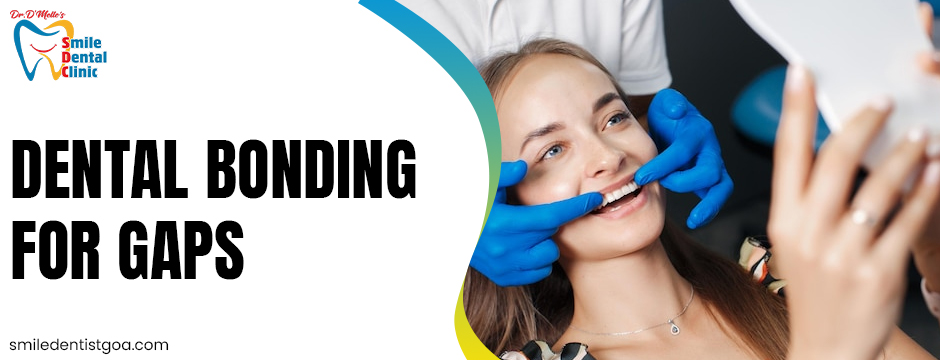
Dental bonding for gaps

How Dental Bonding for Gaps Works 

Understanding the steps helps people feel calm and prepared. The visit begins with a careful smile check and discussion. The process for dental bonding for gaps is simple and gentle. First, the dentist chooses a shade that matches your teeth. This step ensures natural blending. Next, they clean and prepare the tooth lightly. Then, the dentist carefully adds soft resin to the tooth edge. Careful shaping closes the space slowly. A curing light hardens the resin quickly. 

After that, the dentist polishes the surface for shine. The tooth then feels smooth and natural. Most visits finish in one sitting. Therefore, people enjoy quick improvement. In addition, you can smile normally the same day. Good care afterward protects the result. Regular checkups also support lasting beauty.

Expert Tips Before Getting Dental Bonding for Gaps

Planning helps you enjoy better and safer results. Many dentists suggest a consultation before any treatment. Dental bonding for gaps looks best when done by experienced hands. Therefore, ask to see real patient photos. In addition, share your smile goals clearly. Honest talks prevent misunderstandings later. Some dentists advise whitening before bonding. This helps match the resin shade better. 

Furthermore, ask how to maintain results. Good habits protect your smile. Also, mention grinding or nail-biting habits. These details help your dentist guide you. Take time to decide calmly. Rushing can lead to regret. So, trust professional advice. A clear plan brings peace of mind. Small preparation steps create big improvements. Careful choices always reward you.

Top Benefits of Dental Bonding for Gaps

People like treatments that feel simple and gentle. Dental bonding for gaps offers several friendly benefits for many smiles. First, dentists remove very little enamel. Therefore, natural teeth stay strong. In addition, the treatment finishes quickly. Many people resume work on the very same day. The cost often stays lower than major treatments. So, families find it manageable. 

Furthermore, the resin matches natural tooth colour. The result looks smooth and real. Small chips can also be fixed easily. Repairs feel simple if damage happens. Most people feel comfortable during the visit. Therefore, it suits nervous patients too. Quick changes also boost confidence. Many people smile more after treatment. Simple care keeps results bright.

Can Dental Bonding for Gaps Work for Your Teeth

Not every smile needs the same solution. Dentists first check teeth and gum health carefully. Dental bonding for gaps works best for small to medium spaces. Healthy gums help bonding stay strong. In addition, good brushing habits matter daily. People who avoid biting hard objects do well. Furthermore, teens and adults both qualify. Those wanting quick cosmetic changes often prefer this option. 

However, very large spaces may need other care. A dentist will guide you honestly. Listening helps you choose wisely. Each smile has unique needs. Therefore, personal advice always helps. A short visit answers many questions. Clear guidance prevents mistakes. Good candidates enjoy natural-looking improvements.

Dental Bonding for Gaps vs Other Smile Treatments

People often compare options before choosing smile care. Dental bonding for gaps focuses on small cosmetic changes. Veneers cover the tooth front and last longer. However, they cost more and need preparation. Braces move teeth and fix alignment. They work well for larger spacing. Aligners also shift teeth slowly. Crowns protect damaged teeth fully. Bonding works faster for minor spaces. 

Therefore, it suits quick improvements. In addition, it costs less than many options. Many people choose it for small fixes. However, each smile differs. A dentist explains the best path. Talking about goals helps greatly. Calm comparison leads to smart choices. Your smile deserves careful thought.

How Much Does Dental Bonding for Gaps Cost?

Treatment costs depend on tooth condition and clinic location. Dentist experience also affects pricing. Many patients look for the best dentist in Baga, Calangute, when planning care. Prices often stay lower than veneers or crowns. Therefore, many people start with bonding. Small spaces usually cost less to fix. Bigger shape changes may raise the fee. Clinics often explain costs clearly before starting. So, ask questions freely. Good dental care is an investment in confidence. 

Furthermore, small repairs later cost less. That saves money over time. Regular visits protect your results. Some clinics offer payment plans. These help families manage budgets. Clear talks prevent stress. Planning makes treatment smoother.

Aftercare Tips for Long-Lasting Bonding Results

Daily care keeps your smile bright and neat. Brush twice daily with a soft brush. Floss gently to clean between teeth. Avoid biting ice or pen caps. These habits can damage bonding. Limit coffee and dark drinks. They may stain surfaces slowly. Rinse your mouth after such drinks. 

Furthermore, visit your dentist for cleanings. Smooth surfaces stay shiny longer. Night guards help people who grind teeth. Ask your dentist if needed. In addition, eat balanced foods for gum health. Healthy gums support strong bonding. Simple habits protect your smile. Care today prevents future repairs. Small effort gives long rewards. Your smile will thank you.

best dentist in Baga, Calangute

How Long Does Dental Bonding for Gaps Last?

Bonding can last several years with proper care. Many people enjoy results for a long time. Good habits extend the lifespan. Avoiding hard bites protects the edges. Regular dental visits help spot wear early. Dentists may polish bonding to refresh shine. Small touch-ups can fix minor chips. Therefore, results stay pleasant. Lifestyle choices affect durability. So, protect your teeth daily. 

In addition, follow dentist advice closely. Gentle care makes a real difference. Each mouth is different. However, careful users see longer results. A little attention goes far. Smiles stay bright with care. Consistency brings the best outcome.

Dentist-Approved Secrets to a Truly Flawless Smile

A beautiful smile needs planning and balance. Dentists focus on symmetry for natural beauty. Careful shaping makes bonding look real. Smooth polishing adds a healthy shine. Less material often looks better. Regular visits keep smiles fresh. Our team at Dr DMellos Smile Dental Clinic believes in gentle care and clear guidance. We support patients at every step. We focus on natural results and comfort. If you want a better smile, talk with us. We are ready to help. A confident smile can change daily life. Therefore, take the first step soon. Book a visit and explore your options. Your smile deserves attention.

Final Thoughts

A healthy smile can lift your mood and improve daily confidence. Small changes often create big results when care feels simple and planned. Good habits and regular visits help your teeth stay neat and bright. Ask questions, share goals, and follow advice for steady results. Our team listens closely and guides each step with patience and clarity. At Dr DMellos Smile Dental Clinic, we support your smile journey. If you want a confident smile, talk with us and explore your options. Therefore, taking action now can protect your teeth and confidence. Book your visit today and let your brighter smile begin.


Is dental bonding for gaps painful?

Dental bonding is usually a comfortable and gentle treatment. Most people do not feel pain during the visit. Dentists work slowly and carefully on each tooth. In many cases, no injections are needed. You may feel slight pressure, but it stays manageable. Therefore, many nervous patients feel relaxed. Talking to your dentist also helps you stay calm.

How long does dental bonding for gaps last?

Dental bonding can last several years with proper care. Many people enjoy results for five years or more. Good habits help bonding stay strong and neat. Brushing and flossing daily protect the surface. Regular dental checkups also extend its life. Avoiding hard biting reduces damage risk. Therefore, simple care makes a big difference.

Can dental bonding for gaps look natural?

Bonding can look very natural when done by a skilled dentist. The resin colour gets matched to your teeth shade. Dentists shape the material to fit your smile. After polishing, the tooth reflects light naturally. Most people cannot notice the bonding. Therefore, it blends smoothly with nearby teeth. A good dentist focuses on symmetry and detail.

How should I care for my teeth after bonding?

Good care keeps your bonding clean and bright. Brush twice daily using a soft toothbrush. Floss gently to remove food between teeth. Try to limit coffee, tea, and dark drinks. These drinks can stain bonding over time. Also avoid biting ice or hard objects. Regular cleanings help maintain shine and smoothness.

Who is a good candidate for dental bonding for gaps?

People with small or medium gaps are often good candidates. Healthy gums and clean teeth also help bonding last longer. Those with good oral habits see better results. Bonding suits people wanting quick cosmetic changes. However, very large gaps may need other treatments. A dentist check helps confirm the right choice.