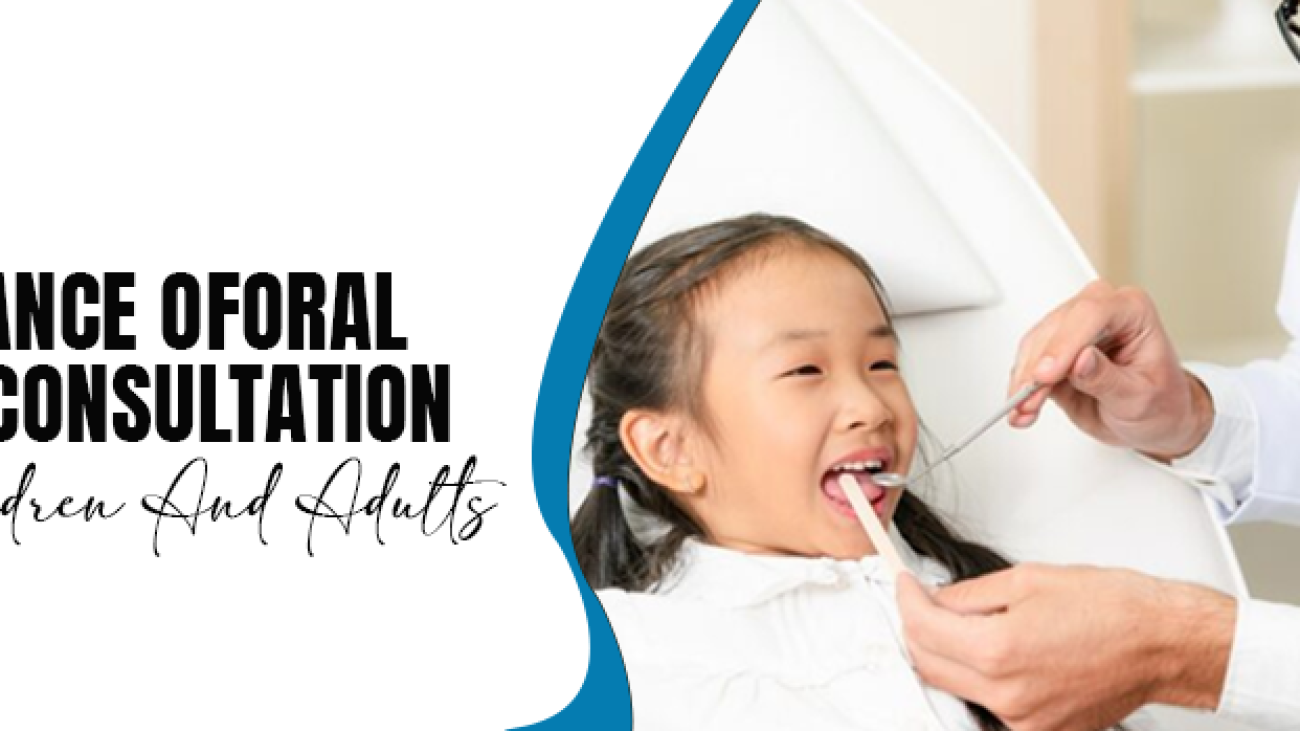
Importance of Oral Health Consultation for Children and Adults

Importance of Oral Health Consultation for Children and Adults

Oral health is far more than a bright smile or fresh breath—it is a critical component of overall well-being. Unfortunately, many people visit a dentist only when discomfort arises, such as tooth pain, swollen gums, or visible decay. While emergency dental visits are sometimes unavoidable, preventive oral health consultations are significantly more beneficial in the long run. Regular dental checkups help detect issues early, prevent serious complications, and build lifelong healthy habits for both children and adults.

For children, knowing the Importance of Oral Health Consultation lay the foundation for a lifetime of confident smiles. Monitoring the growth of teeth and jaws ensures that potential problems are addressed before they escalate. Early visits also help children become comfortable in a dental environment, reducing fear and anxiety later in life. For adults, routine consultations extend beyond cleaning and cavity checks. Dentists evaluate gum health, detect early signs of oral cancer, and assess conditions linked to systemic diseases such as diabetes and heart problems. 
Importance of Oral Health Consultation

Why Oral Health Consultations Matter?

Oral health consultations serve as preventive checkpoints. They allow dentists to assess not only the condition of teeth but also the health of gums, jawbones, and surrounding tissues. Routine consultations help identify:

  • Cavities in early stages
  • Gum inflammation or periodontal disease
  • Misalignment or bite issues
  • Signs of teeth grinding (bruxism)
  • Early oral cancer symptoms

Importance of Dental Consultations for Children

Establishing Healthy Habits Early

Children are more likely to maintain good oral hygiene when they start visiting the dentist early. Professional guidance helps parents understand proper brushing techniques, fluoride use, and dietary habits that minimise tooth decay.

Dentists can demonstrate child-friendly brushing and flossing methods and recommend appropriate dental products for different age groups.

Monitoring Growth and Development

Primary (baby) teeth play a vital role in speech development, chewing, and guiding permanent teeth into position. Regular checkups help monitor:

  • Proper eruption of permanent teeth
  • Jaw alignment
  • Early signs of crowding or spacing issues
  • Need for orthodontic evaluation

Addressing concerns early often prevents complicated and expensive orthodontic procedures later.

Preventing Early Childhood Caries

Frequent consumption of sugary snacks and drinks can quickly lead to cavities. Knowing the Importance of Oral Health Consultation help identify early signs of decay and introduce preventive treatments like fluoride applications or dental sealants.

Reducing Dental Anxiety

When children visit the dentist regularly from a young age, the experience becomes routine rather than intimidating. Familiarity reduces fear, making future treatments smoother and stress-free.

Importance of Dental Consultations for Adults

Preventing Gum Disease

Gum disease often begins silently with mild inflammation. Without treatment, it can progress to periodontitis, leading to tooth loss and even affecting overall health. Regular consultations include professional cleanings that remove plaque and tartar buildup, preventing gum-related complications.

Early Detection of Serious Conditions

Dentists conduct oral cancer screenings during routine visits. Early detection significantly improves treatment outcomes. Additionally, persistent gum inflammation or dry mouth may indicate underlying systemic conditions such as diabetes or immune disorders.

Maintaining Restorative Work

Adults with fillings, crowns, bridges, or implants require periodic evaluation to ensure restorations remain secure and functional. Routine checkups help prevent minor issues from turning into major repairs.

Addressing Lifestyle-Related Concerns

Habits such as smoking, alcohol consumption, teeth grinding, or poor dietary choices can impact oral health. Dentists provide tailored Oral Health Consultation in Goa and preventive solutions to minimise damage and maintain strong teeth and gums.

The Link Between Oral Health and Overall Health

Scientific research increasingly shows that oral health is closely connected to systemic health. Poor oral hygiene has been associated with:

  • Cardiovascular disease
  • Diabetes complications
  • Respiratory infections
  • Pregnancy complications

Regular dental consultations help control oral infections, thereby supporting general health and well-being.

Financial and Emotional Benefits of Preventive Care

Preventive dental consultations save money over time. Treating a small cavity is far less expensive than undergoing root canal therapy or tooth replacement. Likewise, managing early gum disease is simpler than treating advanced periodontitis.

Beyond financial savings, routine dental visits enhance self-confidence. Healthy teeth and gums improve speech, eating comfort, and appearance. A confident smile positively influences social interactions, professional opportunities, and mental health.
Importance of Oral Health Consultation

Personalised Care for Every Stage of Life

Dental needs evolve with age. Children require monitoring of growth patterns. Teenagers may need orthodontic guidance. Adults might focus on gum health and cosmetic improvements. Seniors may require specialised care for dry mouth, tooth wear, or dentures.

Regular consultations allow dentists to create personalised care plans tailored to individual needs. Preventive measures, dietary guidance, and home-care instructions are customised based on age, lifestyle, and risk factors.

Building a Culture of Preventive Dental Care

Creating a family routine around dental visits promotes accountability and consistency. Scheduling checkups every six months ensures continuous monitoring and timely intervention when needed. When children see adults prioritising oral health, they are more likely to adopt the same habits.

Education is a vital component of consultations. Dentists empower patients with knowledge about brushing techniques, flossing frequency, mouthwash usage, and nutrition. This collaborative approach builds long-term trust and encourages proactive healthcare decisions.

Bottom Line

Knowing the Importance of Oral Health Consultation are a fundamental part of preventive healthcare for both children and adults. From establishing healthy habits in childhood to detecting early signs of serious conditions in adulthood, routine dental visits provide lasting benefits. They promote overall wellness, prevent costly treatments, and build confidence through healthy smiles.

If you are seeking comprehensive, patient-focused dental care in a comfortable environment, visit Dr D’Mello’s Smile Dental Clinic to schedule your oral health consultation today. Prioritise your family’s dental well-being with expert guidance and professional care designed for every stage of life.

 

How often should children and adults visit the dentist?

Most dentists recommend scheduling an oral health consultation every six months. However, individuals with gum disease, frequent cavities, or other dental concerns may need more frequent visits as advised by their dentist.

At what age should a child have their first dental visit?

Children should ideally have their first dental consultation by their first birthday or within six months of the eruption of their first tooth. Early visits help monitor development and prevent early childhood cavities.

What happens during a routine oral health consultation?

A standard Importance of Oral Health Consultation typically includes a thorough examination of teeth and gums, professional cleaning, plaque and tartar removal, oral cancer screening, and personalised advice on maintaining good oral hygiene at home.

Can oral health affect overall health?

Yes. Poor oral hygiene has been linked to systemic conditions such as heart disease, diabetes, and respiratory infections. Regular dental consultations help prevent infections and maintain overall health.

Are dental consultations necessary if I don’t have pain or visible issues?

Absolutely. Many dental problems develop without noticeable symptoms in the early stages. Regular checkups allow dentists to detect and treat issues early, preventing more complex and costly procedures later.

Dr. DMello's Smile Dental Clinic

The Complete Guide to Dental Bonding for Gaps: Tips for Flawless Smile

A bright smile helps people feel happy and confident in daily life. Many people notice small spaces between teeth and feel shy while talking or laughing. Today, more families look for simple ways to improve their smiles without complex treatment. One trusted option is dental bonding for gaps, which many patients now choose for quick improvement. It offers gentle care and natural-looking results that blend well with real teeth. In addition, the process usually finishes in one visit and saves useful time. Social photos and videos also make smiles more noticeable than before. This guide shares clear facts, helpful tips, and simple advice for better smile choices. You will learn how the treatment works and how to prepare with confidence. You will also understand who benefits most and how to care for results. Therefore, reading this guide can help you make calm and smart decisions.  

Dental Bonding for Gaps Explained Simply

Many people want clear and simple answers about smile care. Dentists use a tooth-coloured resin to improve shape and close spaces. This material blends with natural enamel and reflects light like real teeth. Dental bonding for gaps relies on safe resin to softly fill tiny spaces between teeth. First, the dentist prepares the tooth surface with care. Then they apply the soft resin and shape it slowly. A dental light helps the material set fast. 

After that, the dentist polishes the tooth for a smooth finish. As a result, the smile looks natural and balanced. Most people feel relaxed during the visit. In addition, the process rarely needs injections. So, it suits people who feel nervous. Quick results also make it popular for events. Simple care afterward keeps the look fresh.

What Causes Gaps Between Teeth?

Tooth gaps appear for several natural reasons in children and adults. Some families share this trait across generations. Therefore, genes can influence spacing. Dental bonding for gaps often helps when spaces are small and stable. However, dentists still check the root cause first. Tooth and jaw size differences may leave extra room. Missing teeth can also create visible spaces. Gum problems sometimes move teeth slowly. 

In addition, certain habits push teeth forward over time. Tongue pressure is one example dentists often notice. Thumb sucking during childhood can also affect alignment. Furthermore, teeth may shift slightly with age. A dental check helps find the real cause. Fixing the cause protects long-term results. So, early advice always helps. Healthy gums also support better outcomes.

Dental bonding for gaps

How Dental Bonding for Gaps Works 

Understanding the steps helps people feel calm and prepared. The visit begins with a careful smile check and discussion. The process for dental bonding for gaps is simple and gentle. First, the dentist chooses a shade that matches your teeth. This step ensures natural blending. Next, they clean and prepare the tooth lightly. Then, the dentist carefully adds soft resin to the tooth edge. Careful shaping closes the space slowly. A curing light hardens the resin quickly. 

After that, the dentist polishes the surface for shine. The tooth then feels smooth and natural. Most visits finish in one sitting. Therefore, people enjoy quick improvement. In addition, you can smile normally the same day. Good care afterward protects the result. Regular checkups also support lasting beauty.

Expert Tips Before Getting Dental Bonding for Gaps

Planning helps you enjoy better and safer results. Many dentists suggest a consultation before any treatment. Dental bonding for gaps looks best when done by experienced hands. Therefore, ask to see real patient photos. In addition, share your smile goals clearly. Honest talks prevent misunderstandings later. Some dentists advise whitening before bonding. This helps match the resin shade better. 

Furthermore, ask how to maintain results. Good habits protect your smile. Also, mention grinding or nail-biting habits. These details help your dentist guide you. Take time to decide calmly. Rushing can lead to regret. So, trust professional advice. A clear plan brings peace of mind. Small preparation steps create big improvements. Careful choices always reward you.

Top Benefits of Dental Bonding for Gaps

People like treatments that feel simple and gentle. Dental bonding for gaps offers several friendly benefits for many smiles. First, dentists remove very little enamel. Therefore, natural teeth stay strong. In addition, the treatment finishes quickly. Many people resume work on the very same day. The cost often stays lower than major treatments. So, families find it manageable. 

Furthermore, the resin matches natural tooth colour. The result looks smooth and real. Small chips can also be fixed easily. Repairs feel simple if damage happens. Most people feel comfortable during the visit. Therefore, it suits nervous patients too. Quick changes also boost confidence. Many people smile more after treatment. Simple care keeps results bright.

Can Dental Bonding for Gaps Work for Your Teeth

Not every smile needs the same solution. Dentists first check teeth and gum health carefully. Dental bonding for gaps works best for small to medium spaces. Healthy gums help bonding stay strong. In addition, good brushing habits matter daily. People who avoid biting hard objects do well. Furthermore, teens and adults both qualify. Those wanting quick cosmetic changes often prefer this option. 

However, very large spaces may need other care. A dentist will guide you honestly. Listening helps you choose wisely. Each smile has unique needs. Therefore, personal advice always helps. A short visit answers many questions. Clear guidance prevents mistakes. Good candidates enjoy natural-looking improvements.

Dental Bonding for Gaps vs Other Smile Treatments

People often compare options before choosing smile care. Dental bonding for gaps focuses on small cosmetic changes. Veneers cover the tooth front and last longer. However, they cost more and need preparation. Braces move teeth and fix alignment. They work well for larger spacing. Aligners also shift teeth slowly. Crowns protect damaged teeth fully. Bonding works faster for minor spaces. 

Therefore, it suits quick improvements. In addition, it costs less than many options. Many people choose it for small fixes. However, each smile differs. A dentist explains the best path. Talking about goals helps greatly. Calm comparison leads to smart choices. Your smile deserves careful thought.

How Much Does Dental Bonding for Gaps Cost?

Treatment costs depend on tooth condition and clinic location. Dentist experience also affects pricing. Many patients look for the best dentist in Baga, Calangute, when planning care. Prices often stay lower than veneers or crowns. Therefore, many people start with bonding. Small spaces usually cost less to fix. Bigger shape changes may raise the fee. Clinics often explain costs clearly before starting. So, ask questions freely. Good dental care is an investment in confidence. 

Furthermore, small repairs later cost less. That saves money over time. Regular visits protect your results. Some clinics offer payment plans. These help families manage budgets. Clear talks prevent stress. Planning makes treatment smoother.

Aftercare Tips for Long-Lasting Bonding Results

Daily care keeps your smile bright and neat. Brush twice daily with a soft brush. Floss gently to clean between teeth. Avoid biting ice or pen caps. These habits can damage bonding. Limit coffee and dark drinks. They may stain surfaces slowly. Rinse your mouth after such drinks. 

Furthermore, visit your dentist for cleanings. Smooth surfaces stay shiny longer. Night guards help people who grind teeth. Ask your dentist if needed. In addition, eat balanced foods for gum health. Healthy gums support strong bonding. Simple habits protect your smile. Care today prevents future repairs. Small effort gives long rewards. Your smile will thank you.

best dentist in Baga, Calangute

How Long Does Dental Bonding for Gaps Last?

Bonding can last several years with proper care. Many people enjoy results for a long time. Good habits extend the lifespan. Avoiding hard bites protects the edges. Regular dental visits help spot wear early. Dentists may polish bonding to refresh shine. Small touch-ups can fix minor chips. Therefore, results stay pleasant. Lifestyle choices affect durability. So, protect your teeth daily. 

In addition, follow dentist advice closely. Gentle care makes a real difference. Each mouth is different. However, careful users see longer results. A little attention goes far. Smiles stay bright with care. Consistency brings the best outcome.

Dentist-Approved Secrets to a Truly Flawless Smile

A beautiful smile needs planning and balance. Dentists focus on symmetry for natural beauty. Careful shaping makes bonding look real. Smooth polishing adds a healthy shine. Less material often looks better. Regular visits keep smiles fresh. Our team at Dr DMellos Smile Dental Clinic believes in gentle care and clear guidance. We support patients at every step. We focus on natural results and comfort. If you want a better smile, talk with us. We are ready to help. A confident smile can change daily life. Therefore, take the first step soon. Book a visit and explore your options. Your smile deserves attention.

Final Thoughts

A healthy smile can lift your mood and improve daily confidence. Small changes often create big results when care feels simple and planned. Good habits and regular visits help your teeth stay neat and bright. Ask questions, share goals, and follow advice for steady results. Our team listens closely and guides each step with patience and clarity. At Dr DMellos Smile Dental Clinic, we support your smile journey. If you want a confident smile, talk with us and explore your options. Therefore, taking action now can protect your teeth and confidence. Book your visit today and let your brighter smile begin.


Is dental bonding for gaps painful?

Dental bonding is usually a comfortable and gentle treatment. Most people do not feel pain during the visit. Dentists work slowly and carefully on each tooth. In many cases, no injections are needed. You may feel slight pressure, but it stays manageable. Therefore, many nervous patients feel relaxed. Talking to your dentist also helps you stay calm.

How long does dental bonding for gaps last?

Dental bonding can last several years with proper care. Many people enjoy results for five years or more. Good habits help bonding stay strong and neat. Brushing and flossing daily protect the surface. Regular dental checkups also extend its life. Avoiding hard biting reduces damage risk. Therefore, simple care makes a big difference.

Can dental bonding for gaps look natural?

Bonding can look very natural when done by a skilled dentist. The resin colour gets matched to your teeth shade. Dentists shape the material to fit your smile. After polishing, the tooth reflects light naturally. Most people cannot notice the bonding. Therefore, it blends smoothly with nearby teeth. A good dentist focuses on symmetry and detail.

How should I care for my teeth after bonding?

Good care keeps your bonding clean and bright. Brush twice daily using a soft toothbrush. Floss gently to remove food between teeth. Try to limit coffee, tea, and dark drinks. These drinks can stain bonding over time. Also avoid biting ice or hard objects. Regular cleanings help maintain shine and smoothness.

Who is a good candidate for dental bonding for gaps?

People with small or medium gaps are often good candidates. Healthy gums and clean teeth also help bonding last longer. Those with good oral habits see better results. Bonding suits people wanting quick cosmetic changes. However, very large gaps may need other treatments. A dentist check helps confirm the right choice.

cosmetic dental services (3)

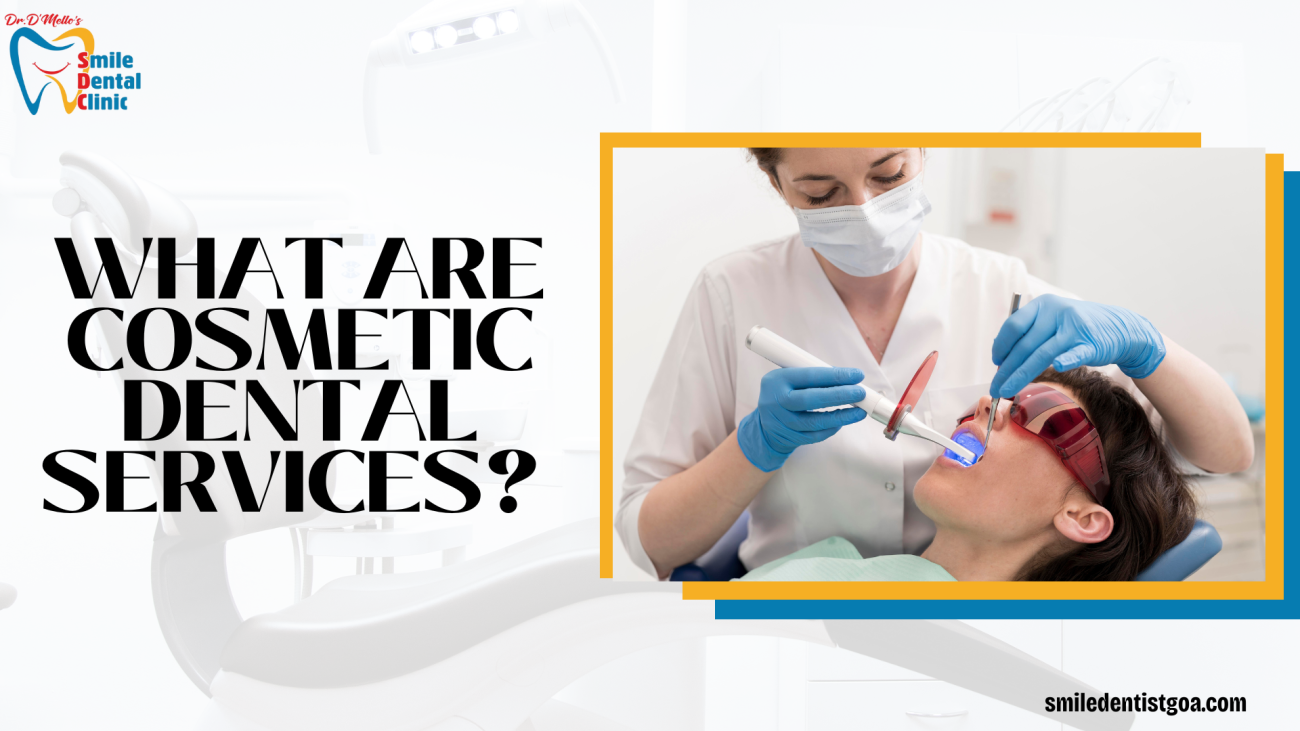
What Are Cosmetic Dental Services? A Complete Guide to Smile Makeovers

A confident smile can change the way you speak, work, and connect with people. That is why cosmetic dental services have become an important part of modern dentistry. These treatments focus on improving the appearance of teeth while keeping comfort, function, and long-term health in mind. Today, a smile makeover is no longer about artificial looks. Instead, it is about natural results that suit your face and personality.

Furthermore, advancements in materials and techniques now allow dentists to correct colour, shape, spacing, and alignment with minimal tooth preparation. This guide explains what these treatments involve, who they are for, and how to choose the right approach for your smile.

Understanding Cosmetic Dental Services and Smile Design

Cosmetic dental services refer to a group of dental treatments designed to enhance the look of your teeth and smile. However, they are not only about appearance. Many procedures also improve bite balance, oral hygiene, and overall confidence.

Smile design usually begins with a detailed evaluation. Dentists assess tooth colour, proportions, gum health, facial symmetry, and your personal expectations. Consequently, each plan is customised rather than based on a one-size-fits-all approach.

In regions known for advanced dental care and patient-focused planning, such as Cosmetic dentistry in Goa, clinics often combine aesthetics with precision diagnostics. This ensures that the final result looks natural and lasts for years.

cosmetic dental services

Ceramic Dental Veneers: Subtle Changes, Powerful Results

Ceramic veneers are among the most popular smile makeover options. These are wafer-thin shells bonded to the front surface of teeth to improve colour, shape, size, or symmetry. Specifically, they are ideal for people who want noticeable improvement without aggressive drilling.

Veneers work well for discoloured teeth, worn enamel, chipped edges, uneven shapes, and gaps. Furthermore, modern porcelain is highly stain-resistant and mimics natural tooth translucency. With proper care, veneers can last for many years while maintaining their original appearance.

Another advantage is comfort. The procedure is generally pain-free and requires little to no recovery time, making it suitable for working professionals and travellers alike.

Invisible Braces: Straightening Without Metal

Teeth do not always remain in perfect alignment throughout life. Shifting can occur due to growth, habits, or ageing. Clear aligners, often called invisible braces, provide a discreet solution.

Unlike traditional metal braces, these aligners are transparent, removable, and customised to your mouth. Consequently, they allow easy cleaning, no dietary restrictions, and improved comfort. Patients appreciate that the trays fit seamlessly into daily life while delivering effective results.

For individuals seeking cosmetic improvement without drawing attention, this orthodontic option fits perfectly within modern cosmetic dental services focused on lifestyle-friendly care.

Tooth-Coloured Fillings: Aesthetic Restoration That Blends In

Fillings are no longer visible metal patches. Today, composite or ceramic fillings are designed to match the natural colour of your teeth. As a result, treated teeth look intact and healthy rather than repaired.

These fillings are used to restore decayed, cracked, or worn teeth while maintaining aesthetics. Additionally, they support tooth structure and prevent further damage. When combined with other cosmetic treatments, they help create a uniform, polished smile.

Patients often choose this option when they want functional restoration without compromising appearance.

Metal-Free Ceramic Crowns: Strength Meets Natural Beauty

Crowns are sometimes necessary when a tooth is badly damaged or weakened. Traditional metal-based crowns can appear opaque or unnatural. Metal-free ceramic crowns solve this problem.

All-ceramic and zirconium crowns offer excellent translucency and strength. They are especially suitable for front teeth, where appearance matters most. However, newer zirconium ceramics are strong enough for back teeth as well.

In smile makeover planning, these crowns play a key role in restoring both beauty and durability. Clinics offering Cosmetic dentistry in Goa frequently use such materials to meet international aesthetic standards.

Who Should Consider a Smile Makeover?

A smile makeover is not limited to celebrities or special occasions. It is suitable for anyone unhappy with tooth colour, alignment, shape, or overall harmony.

You may benefit if you have stained or uneven teeth, minor spacing issues, worn enamel, or visible restorations. Moreover, people preparing for weddings, public-facing careers, or life transitions often choose these treatments to boost confidence.

The best outcomes come from realistic expectations and professional guidance. Therefore, consultation and planning are essential steps before beginning any cosmetic work.

Benefits Beyond Appearance

While aesthetics are the primary motivation, the benefits extend further. Improved tooth alignment makes cleaning easier. Restored teeth distribute bite forces more evenly. Consequently, long-term oral health often improves alongside appearance.

Another key advantage is confidence. Patients frequently report better self-esteem and comfort in social interactions. These emotional benefits are just as important as physical changes.

When performed by experienced professionals, cosmetic dental services combine safety, comfort, and predictable outcomes.

Choosing the Right Clinic and Treatment Approach

Selecting the right clinic involves more than comparing prices. Look for experience, hygiene standards, digital diagnostics, and personalised planning. Clear communication and transparent treatment options are also important.

In destinations known for patient-friendly care, such as Dr. DMellos Smile Dental Clinic, which serves both local and international patients. This exposure often leads to higher standards, modern equipment, and refined aesthetic judgment.

Ultimately, the right approach balances your goals, budget, and long-term dental health.

Dr. DMellos Smile Dental Clinic

Final Thoughts 

A smile makeover should enhance who you are, not change your identity. Modern techniques focus on subtle improvements that feel natural and comfortable. From veneers and clear aligners to aesthetic fillings and ceramic crowns, today’s options are versatile and patient-centric.

If you are exploring cosmetic dental services and want results that combine artistry with clinical precision, start with a professional consultation. For those considering trusted care in Goa, Dr. DMellos Smile Dental Clinic offers personalised smile makeover solutions designed to look natural and last long—helping you smile with confidence every day.


What are cosmetic dental services used for? +

Cosmetic dental services improve tooth colour, shape, alignment, and overall smile appearance while maintaining function, comfort, and long-term oral health.

Are cosmetic dental treatments painful? +

Most modern cosmetic treatments are minimally invasive and pain-free. Procedures like veneers, clear aligners, and tooth-coloured fillings are designed for patient comfort.

Who is an ideal candidate for a smile makeover? +

Anyone unhappy with stained, chipped, misaligned, or uneven teeth can benefit. A consultation helps determine the most suitable treatment plan.

How long do cosmetic dental results last? +

With proper care and oral hygiene, results from veneers, ceramic crowns, and aligners can last many years while maintaining a natural appearance.

Laser Teeth Whitening vs Bleaching_ How to Decide Based on Your Stains & Enamel Health_

Laser Teeth Whitening vs Bleaching: How to Decide which one is better?

A bright, confident smile is something everyone desires, and modern dentistry offers several ways to achieve it. Among the most popular cosmetic procedures, Laser Teeth Whitening vs Bleaching treatments often stand out as the top choices for patients looking to lighten their tooth shade quickly and effectively. Although both treatments aim to remove stains and enhance your smile, the right choice depends on factors such as the type of stains you have, the thickness and health of your enamel, your tooth sensitivity levels, and how fast you want results.

Many patients feel confused about which method suits them best, especially when they’ve tried DIY whitening with minimal success or are concerned about enamel damage. Understanding the differences between these two professional whitening options is essential for making an informed decision. This guide breaks down how each method works, what results you can expect, and which solution aligns best with your oral health profile. Whether your stains are due to coffee, age, medication, or genetics, learning how these treatments differ can help you choose a safe and effective whitening plan tailored to your needs.

What Causes Tooth Staining—and Why Treatment Choice Matters

Not all stains are the same, and the type of discolouration greatly affects which whitening method will work best:

Extrinsic Stains

These stains stay on the enamel surface and are caused by:

  • Coffee, tea, red wine
  • Tobacco use
  • Strongly colored foods like berries
  • Poor oral hygiene

Best treatment: Both bleaching and laser whitening work well, but laser whitening removes these stains much faster.

Intrinsic Stains

These stains lie deeper within the tooth structure and may be caused by:

  • Aging
  • Excess fluoride
  • Tetracycline medication during childhood
  • Trauma to the tooth

Best treatment: Deep intrinsic stains often respond better to laser whitening because it accelerates the whitening reaction. Some severe intrinsic stains may require multiple sessions or alternative cosmetic procedures such as veneers.

Understanding Laser Teeth Whitening

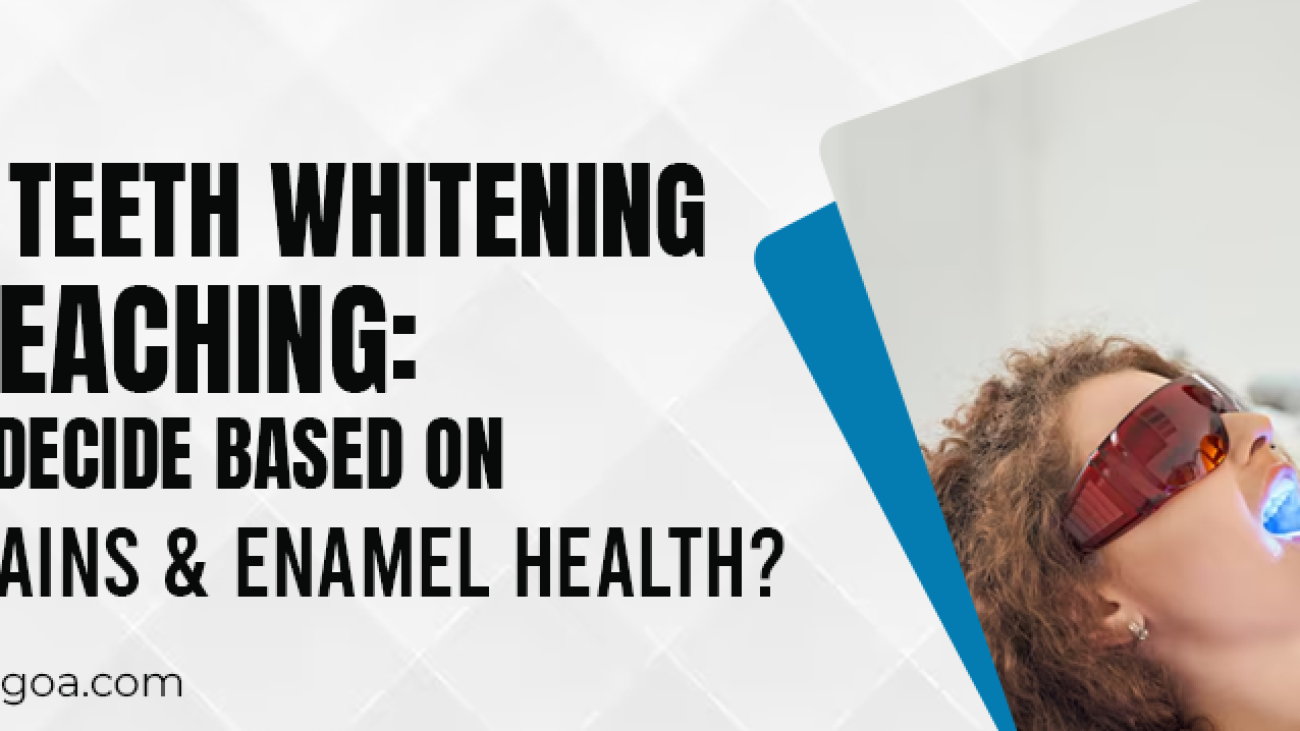
Laser Teeth Whitening vs Bleaching is an advanced, in-office procedure involving the application of a professional whitening gel that is activated using a dental laser. The laser boosts the chemical reaction, allowing the gel to break down stains rapidly.

Laser Teeth Whitening

How Laser Whitening Works

  1. Your dentist applies a concentrated peroxide-based gel.
  2. The laser heats and energises the gel.
  3. The reaction quickly dissolves stain molecules.
  4. You walk out with visibly brighter teeth in a single session.

Key Benefits of Laser Whitening

  • Fastest results — 6–8 shades lighter in one visit.
  • Ideal for stubborn intrinsic stains.
  • Precision-based, ensuring minimal gum exposure.
  • Less risk of uneven whitening compared to DIY methods.

Possible Considerations

  • May cause temporary sensitivity due to heat.
  • Not ideal for patients with extremely thin enamel.
  • Higher cost due to technology and expertise involved.

Understanding Traditional Bleaching

Traditional bleaching involves professional-strength whitening gels used either in-office or through custom take-home kits from your dentist.

How Bleaching Works

  1. Peroxide gel penetrates enamel to target discolouration.
  2. The gel gradually breaks down stains over several sessions.
  3. Results are visible within 1–3 weeks, depending on the concentration and usage.

Benefits of Traditional Bleaching

  • Gentler on enamel due to slower whitening action.
  • More comfortable for sensitive-teeth patients.
  • Typically more affordable than laser whitening.
  • Great for mild to moderate extrinsic stains.

Possible Considerations

  • Results are gradual, not immediate.
  • Stubborn intrinsic stains may require additional treatments.
  • Requires consistent use for optimal outcomes.

Comparing Laser Whitening and Bleaching Based on Your Oral Health

Sensitivity Levels

  • If you often feel sharp sensitivity from cold or hot drinks, Teeth Whitening in Baga is usually a safer option.
  • Laser whitening may trigger short-term sensitivity but is well-tolerated by most patients.

Enamel Thickness

  • Thin enamel exposes the dentin layer, making teeth appear more yellow.
  • Patients with thin enamel respond better to gentle bleaching, while laser whitening may feel too intense.

Type of Stains

  • Extrinsic stains: Both treatments work; the laser is faster.
  • Intrinsic stains: Laser whitening offers better penetration and improved results.

Desired Speed of Results

  • If you need a quick transformation for an event or wedding, laser whitening gives same-day brightness.
  • If you prefer a gradual improvement, bleaching suits you better.

Long-Term Maintenance

Both treatments require good aftercare to maintain brightness:

  • Avoid staining foods for 48 hours
  • Drink colored beverages through a straw
  • Maintain regular professional cleanings
  • Use dentist-recommended whitening toothpaste for maintenance

Choosing the Right Option: What Dentists Usually Recommend

Dentists in Goa consider your oral health, stain patterns, lifestyle habits, and sensitivity levels to determine the ideal whitening method.

Laser Whitening Is Recommended When

  • You have dark or long-standing intrinsic stains
  • You want immediate results
  • You prefer a single-session procedure
  • Your enamel is healthy, and you have minimal sensitivity


Traditional Bleaching Is Recommended When

  • You have thin or worn enamel
  • Your stains are mild to moderate
  • You prefer a more affordable option
  • You want gradual whitening with flexibility

Often, dentists even recommend a combination approach—laser whitening for rapid brightening, followed by take-home bleaching trays for long-term maintenance.Laser Teeth Whitening vs Bleaching

End Thoughts

Choosing between Laser Teeth Whitening vs Bleaching ultimately depends on your enamel health, sensitivity levels, and the type of stains you’re dealing with. Laser whitening is ideal for fast, dramatic results and deeper stains, while traditional bleaching is better for sensitive teeth and gradual brightening. A professional dental evaluation is the best way to determine which option aligns with your smile goals while protecting your enamel.

If you’re considering whitening your teeth safely and effectively, explore expert-guided treatments from trusted professionals. Learn more at Dr. DMellos Smile Dental Clinic.

Dr. DMello's Smile Dental Clinic

How to Take Care of Braces: Common Mistakes That Delay Treatment

Whether you’re a teenager or an adult, orthodontic treatment requires patience, discipline, and consistent care. While braces are designed to gradually align teeth and correct bite issues, their success largely depends on how well you maintain them daily. Unfortunately, many patients unknowingly make small but repeated mistakes that can delay treatment, cause discomfort, or even lead to long-term dental problems.

Poor oral hygiene, eating the wrong foods, skipping appointments, or neglecting minor issues like a loose bracket may seem harmless at first. However, over time, these habits can prolong the duration of braces, increase the risk of cavities and gum disease, and add unnecessary costs to your treatment. The good news is that most of these issues are completely avoidable with the right knowledge and a proactive approach. In this blog, we’ll walk you through the essentials of how to Take Care of Braces and highlight the most common mistakes that slow down orthodontic progress. 

Why Proper Braces Care Matters

Braces work by applying continuous, gentle pressure to move teeth into the correct position. Any disruption—such as broken brackets, plaque buildup, or missed adjustments—can interfere with this process. Poor care not only delays results but also increases the chances of tooth decay, gum inflammation, enamel stains, and bad breath.

Taking care of braces isn’t just about aesthetics; it’s about protecting your overall oral health throughout the treatment period with the best orthodontist in Baga Goa.

how to Take Care of Braces

Common Mistakes That Delay Braces Treatment

Inadequate Brushing and Flossing

One of the most common mistakes is not cleaning teeth thoroughly. Braces create multiple nooks where food particles and plaque can easily accumulate.

What goes wrong:

  • Skipping brushing after meals
  • Brushing too quickly or without proper technique
  • Avoiding flossing because it feels difficult

Why is treatment delayed?
Plaque buildup can cause cavities and gum disease, forcing orthodontists to pause or slow treatment until oral health improves.

What to do instead:
Use interdental brushes or floss threaders to clean between wires and teeth effectively.

Eating Braces-Unfriendly Foods

Hard, sticky, and chewy foods are a major enemy of Braces treatment in Goa.

Common offenders include:

  • Popcorn and nuts
  • Hard candies and ice
  • Chewing gum and caramel

Why is treatment delayed?
These foods can break brackets or bend wires, requiring emergency visits and resetting progress.

What to do instead:
Stick to braces-friendly foods like soft fruits, cooked vegetables, yoghurt, rice, pasta, and lean proteins. Cut harder foods into small pieces before eating.

Skipping Orthodontic Appointments

Life gets busy, but missing scheduled adjustments is a costly mistake.

Why does it delay treatment?
Braces need regular tightening and monitoring. Skipped appointments mean teeth aren’t guided properly, extending treatment time.

Best practice:
Always attend appointments as scheduled. If you must reschedule, do so as soon as possible to avoid long gaps.

Ignoring Loose Brackets or Poking Wires

Many patients wait too long to report minor issues.

What happens:

  • A loose bracket stops applying pressure
  • A poking wire can cause sores and discomfort

Why is treatment delayed?
Even small mechanical problems disrupt tooth movement and can set progress back weeks.

What to do:
Contact your orthodontist immediately if something feels off. Early fixes prevent bigger delays.

Not Wearing Elastics as Prescribed

Rubber bands (elastics) are often crucial for correcting bite alignment.

Common mistake:
Wearing elastics only occasionally or removing them too often.

Why delay treatment?
Inconsistent use prevents the jaw and teeth from shifting as planned, extending overall treatment time.

Solution:
Wear elastics exactly as instructed—even if they feel uncomfortable at first. Consistency is key.

how to Take Care of Braces

Poor Gum Care

Healthy gums are essential to know how to Take Care of Braces.

What goes wrong:

  • Bleeding gums ignored
  • Swollen or tender gums left untreated

Why is treatment delayed?
Inflamed gums can make tooth movement painful and unsafe, forcing orthodontists to slow adjustments.

Prevention tips:
Brush along the gumline gently, floss daily, and use an antibacterial mouthwash if recommended.

Using Teeth as Tools

Opening packets, biting nails, or chewing pens is especially harmful with braces.

Why it’s a problem:
This puts unnecessary pressure on brackets and wires, increasing the risk of breakage.

Better habit:
Be mindful of these actions and avoid putting anything in your mouth that isn’t food.

Neglecting Overall Oral Health

Braces don’t replace the need for general dental care.

Common oversight:
Skipping routine dental cleanings and check-ups during orthodontic treatment.

Why is treatment delayed?
Undetected cavities or gum issues can interrupt or postpone orthodontic progress.

Best approach:
Continue regular dental visits alongside orthodontic care.

Helpful Tips to Keep Treatment on Track

  • Use orthodontic wax by the Dental Clinic in Baga to prevent irritation
  • Rinse with water after snacks if brushing isn’t possible
  • Carry a small dental care kit when outside
  • Follow all instructions given by your orthodontist
  • Stay patient—consistent care brings faster results

End Words

Knowing how to Take Care of Braces is a daily responsibility, but the payoff is well worth the effort. Most treatment delays are not caused by complex problems, but by simple, avoidable mistakes such as poor hygiene, broken brackets, or missed appointments. By being mindful of your habits and following professional advice closely, you can ensure smoother progress and a shorter treatment timeline.

If you’re considering braces or already undergoing orthodontic treatment and want expert guidance, explore professional orthodontic care options at Dr DMellos Smile Dental Clinic. With the right care, commitment, and professional support, your journey to a beautifully aligned smile can be efficient, comfortable, and rewarding.

How Conscious Sedation Makes Complex Dental Procedures Stress-Free

How Conscious Sedation Makes Complex Dental Procedures Stress-Free

Many people feel anxious before a dental visit. The thought of drills or injections makes them nervous. Fear can stop patients from seeking treatment. This is where conscious sedation in dentistry helps. It allows patients to relax while staying awake. They feel calm, safe, and comfortable during procedures. Anxiety fades, and dental visits become easier. Furthermore, this sedation helps both patients and dentists. Complex treatments like root canals or dental implants become less stressful. 

Patients remain alert enough to follow instructions. Meanwhile, dentists can work efficiently and safely. In addition, recovery is faster compared to general anesthesia. Patients can return home the same day. For those who avoid the dentist due to fear, conscious sedation is a solution. It makes dental care accessible and stress-free. By the end of this blog, you will understand how conscious sedation in dentistry helps manage fear and provides a comfortable dental experience.

Understanding Conscious Sedation in Dentistry 

Conscious sedation in dentistry keeps patients awake but relaxed. They are aware of what is happening, yet stress and fear reduce significantly. Unlike general anesthesia, patients do not lose control of their body. Dentists can perform treatments safely while patients stay calm.

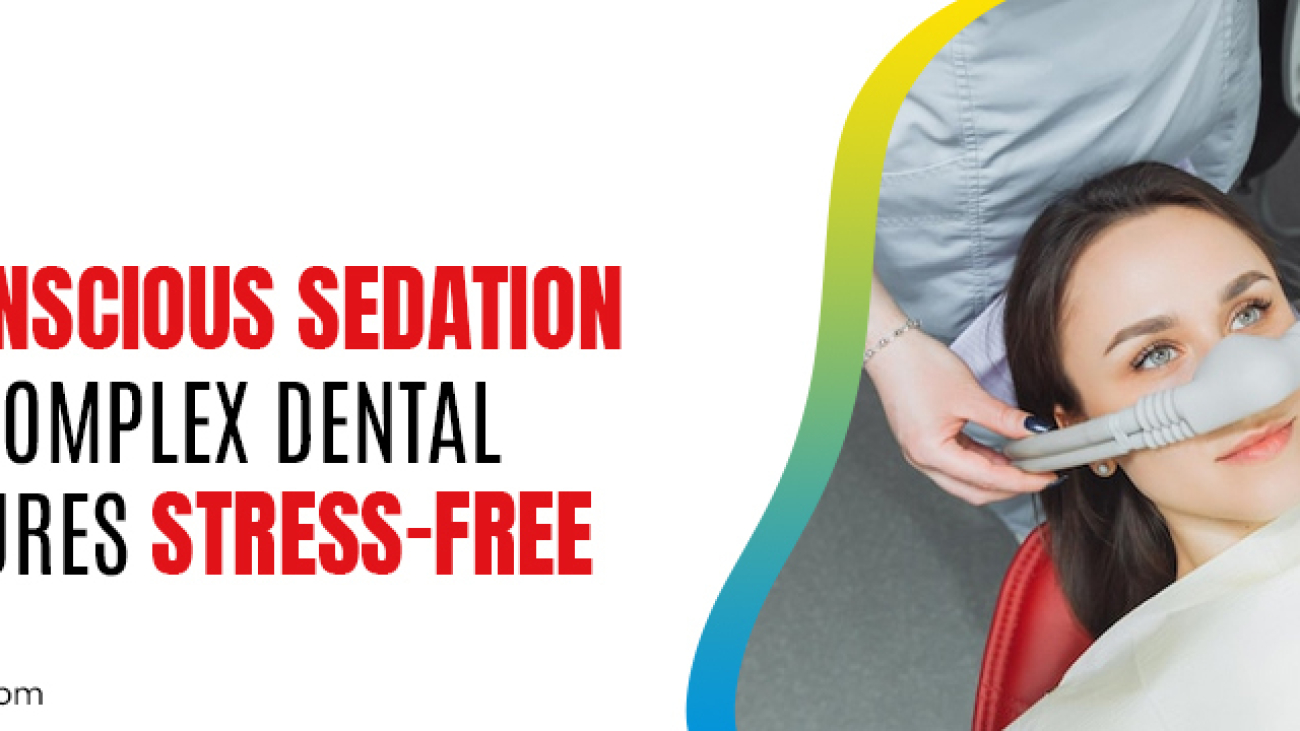
There are several types of conscious sedation. Oral sedation is achieved by swallowing a medication before the treatment. It reduces anxiety and creates relaxation. Inhaled sedation, also called nitrous oxide or laughing gas, works quickly. Patients breathe it in through a mask and feel calm. IV sedation goes directly into the bloodstream. It provides moderate to deep relaxation, suitable for longer procedures.

The main benefit is comfort. Patients do not feel tense or fearful. They can still respond to instructions if needed. In addition, sedation reduces gag reflex, heart rate, and blood pressure spikes. Dentists can work efficiently without interruption. Furthermore, complex procedures like multiple extractions or implants become easier. Patients leave the dental clinic feeling relaxed and satisfied. Overall, conscious sedation in dentistry provides a safe and gentle way to face dental anxiety.


conscious sedation in dentistry

Who Can Benefit from Conscious Sedation 

Conscious sedation is suitable for many patients. People with dental anxiety or fear benefit most. Those who avoid the dentist for years can finally get treatment.

Patients undergoing complex procedures also benefit. Procedures like root canals, wisdom tooth removal, or implants can take time. Sedation keeps patients calm throughout. People with low pain tolerance feel less discomfort. Children and patients with special needs can also benefit.

Furthermore, patients who want a stress-free experience enjoy sedation. They feel relaxed and cooperate better during treatment. In addition, sedation prevents sudden movements or gag reflex. This improves the safety and success of procedures. Patients can leave the dental clinic confident and pain-free. Therefore, conscious sedation is ideal for anyone who wants a smooth and calm dental experience.

How Conscious Sedation Reduces Stress During Complex Procedures 

Complex dental procedures can be stressful. Patients may feel fear, tension, or discomfort. Conscious sedation reduces stress in many ways.

First, it calms the mind. Anxiety levels drop, and fear disappears. Patients can focus on relaxing rather than worrying about pain. Second, the body responds positively. Heart rate slows, blood pressure stabilizes, and muscles relax. This allows dentists to perform precise work safely.

Moreover, sedation helps with movement control. Patients stay still, and gag reflexes reduce. This is essential for procedures like dental implants or multiple extractions. Patients feel comfortable during long treatments. They are awake enough to respond to dentist instructions.

In addition, conscious sedation reduces procedure time. Dentists can work efficiently without frequent breaks. Patients leave feeling stress-free and satisfied. Furthermore, sedation improves overall experience. Patients often report minimal memory of discomfort. Dental phobia fades over time. By using conscious sedation, dentists make even complex procedures simple and calm for patients.

The Process of Conscious Sedation in a Dental Clinic

The process of conscious sedation is simple and safe. First, patients have a consultation. The dentist reviews medical history and dental concerns. They decide the most suitable type of sedation.

Next, the sedation plan is prepared. It can be oral, inhaled, or IV, depending on the procedure. Dentists explain how it works and what to expect. Patients feel informed and confident.

During the procedure, vital signs are monitored closely. Oxygen levels, heart rate, and blood pressure are checked. Patients remain awake but relaxed. Dentists perform treatments efficiently without stress.

After the procedure, patients move to a recovery area. They rest while sedation wears off. Most feel alert within a short time. Dentists provide post-care instructions to ensure safe recovery. Patients often report feeling calm and relaxed.

Furthermore, safety is a priority. Trained staff, proper equipment, and emergency protocols are always in place. This ensures conscious sedation remains a safe option for any complex procedure. Patients can relax knowing professionals handle every detail carefully.

Safety and Considerations

Conscious sedation is generally safe for most patients. However, some considerations apply. Patients must share medical conditions, allergies, or medications. This ensures dentists choose the right type and dose.

Side effects are usually mild. Some patients may feel drowsy, slightly nauseous, or dry-mouthed. These symptoms fade quickly. Recovery is fast compared to general anesthesia. Most patients return home the same day.

Furthermore, safety depends on the clinic. Certified dental clinics with trained professionals reduce risks. Dentists monitor patients carefully during treatment. Proper equipment is always ready for emergencies.

In addition, patients should follow pre-procedure instructions. Avoid alcohol, heavy meals, or certain medications as advised. They should arrange transportation if needed. This ensures a smooth and safe experience. Overall, conscious sedation is a reliable and safe method to reduce stress during complex dental procedures.

Preparing for a Conscious Sedation Appointment 

Preparation is key to a successful sedation appointment. Patients should follow dentist instructions carefully. Avoid heavy meals or alcohol before treatment. Wear comfortable clothes to feel relaxed.

Bring a list of medications and medical history. This helps dentists provide the safest sedation plan. Arrange transportation if sedation is strong. Patients may feel drowsy afterward.

Mental preparation also helps, especially when visiting the best dentist in Goa. Relaxation exercises, deep breathing, and positive thoughts reduce stress. Patients should ask the dentist any questions they have. Being informed creates confidence and comfort.

In addition, patients can plan post-procedure rest. Taking it easy after treatment allows a smooth recovery. These steps ensure a calm and stress-free dental experience with conscious sedation.


Best Dentist in Goa

Patient Experiences

Patients often share positive experiences with conscious sedation. Many report feeling calm during long procedures. Fear disappears, and dental visits become stress-free.

Children and anxious adults feel safe and comfortable. Multiple extractions, implants, or root canals are completed efficiently. Patients recall little discomfort. Some say sedation changed how they view dental care.

Dentists also notice improvements. Patients cooperate better, making complex procedures faster and safer. Recovery is smoother, and follow-up visits are easier.

In addition, sedation improves confidence. Patients return for regular checkups without anxiety. Overall, real-life experiences show how conscious sedation makes dental care approachable and relaxing.

Conclusion

Conscious sedation in dentistry transforms the dental experience. Patients feel calm, safe, and relaxed during complex procedures. Anxiety disappears, and treatments are completed efficiently. Sedation also improves safety, cooperation, and recovery. Those who fear dental visits can now get care comfortably. Procedures like implants, root canals, and extractions are stress-free. Patients leave satisfied and confident.

For anyone seeking a calm dental experience, consider conscious sedation. Trust professionals for a safe and relaxing treatment. Experience the difference at Dr. DMello’s Smile Dental Clinic, a leading dental clinic in Baga. Schedule your visit today and enjoy stress-free dental care with confidence.

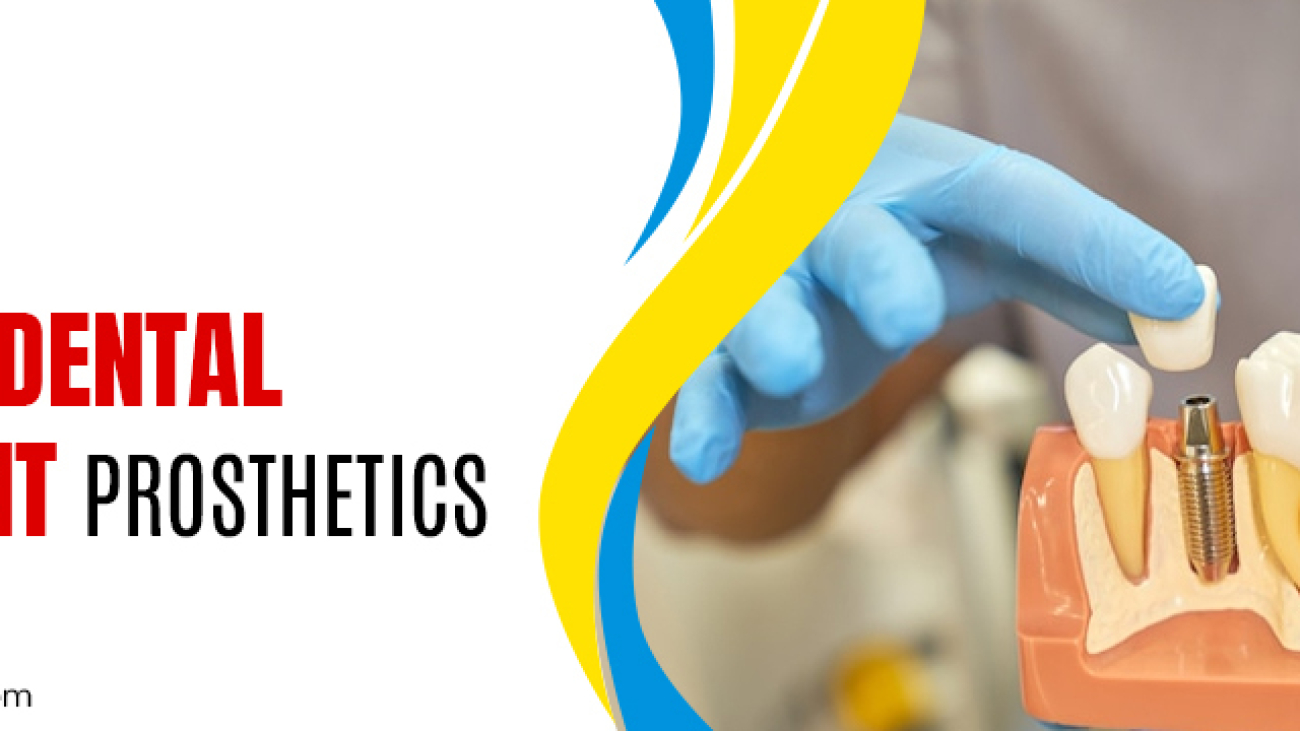
What is Dental Implant Prosthetics

What Is Dental Implant Prosthetics

Understanding your smile’s foundation is the first step towards lasting dental health. Many people lose teeth due to injury, decay, or ageing. In such cases, dental implant prosthetics offer a reliable and permanent solution. They replace missing teeth and restore natural appearance, function, and confidence. These prosthetics work by fixing artificial tooth roots into the jawbone, which then support crowns, bridges, or dentures. 

This modern approach allows patients to chew comfortably, speak clearly, and smile freely again. Unlike traditional dentures, they stay secure and feel natural. The process may sound complex, but it’s a safe and well-practised dental procedure. With proper care and guidance from professionals, anyone can enjoy a complete smile again through these advanced solutions.

The Basics: What Are Dental Implants? 

Before learning about prosthetics, it’s helpful to understand dental implants in Goa. They are small metal posts that act as artificial roots. These are placed into the jawbone where teeth are missing. Once fitted, the implant fuses with the bone over a few months, creating a strong base for the new tooth. The top part, known as the crown, is custom-made to match the colour and shape of your natural teeth.

Implants are usually made from titanium because it’s safe and blends well with the bone. They restore your smile while protecting the surrounding teeth from damage. The process may take time, but the result is worth it. You get a strong, permanent solution that feels just like your real teeth.


Dental implants in Goa

What Is Dental Implant Prosthetics? 

The term dental implant prosthetics refers to the artificial teeth that are attached to implants. These prosthetics replace lost teeth and restore full mouth function. Each set includes three main parts: the implant, which acts as the root; the abutment, which connects parts together; and the prosthetic tooth, which is visible. This combination offers strength and comfort.

The prosthetics are usually made from materials like porcelain, ceramic, or zirconia. These materials mimic the natural look of enamel. They are designed with precision to match your mouth structure, ensuring a perfect fit. Patients often find that speaking and chewing become easier after treatment.

Furthermore, dental implant prosthetics do not shift or loosen, making them more reliable than traditional dentures. They are a long-term investment in your smile and oral health.

Types of Dental Implant Prosthetics

When looking for dental implants, you’ll find several types of prosthetic options.

Single-Tooth Implant:
This is ideal for one missing tooth. It replaces both the root and crown, restoring the natural look and bite.

Implant-Supported Bridge:
If multiple teeth are missing in a row, this option works best. It uses implants for support instead of relying on nearby natural teeth.

Implant-Supported Dentures:
These dentures stay fixed in place with implants. They offer better stability, making it easier to eat and talk.

Full-Arch Implants (All-on-4 / All-on-6):
These systems replace a whole set of teeth using only a few implants. They are efficient and long-lasting.

If you’re exploring options for dental implants Baga, you’ll find several types of prosthetic treatments to suit your needs. Each treatment is planned carefully based on your oral health and bone structure. Choosing the right type ensures comfort, durability, and the most natural results.

Step-by-Step Guide to the Dental Implant Prosthetic Procedure

The process of getting dental implant prosthetics involves a few careful steps.

  • Consultation and Planning:
    Your dentist checks your mouth and discusses your goals. X-rays and scans help create a clear plan.

  • Implant Placement:
    A titanium post is placed in the jawbone under local anaesthesia.

  • Healing Phase:
    Over several months, the bone fuses with the implant, creating a solid base.

  • Abutment Connection:
    After healing, the connector is placed to hold the new tooth.

  • Prosthetic Fitting:
    The final crown, bridge, or denture is attached. It’s shaped and coloured to match your natural teeth.

  • Final Adjustments:
    The dentist ensures your bite and comfort are perfect.

Each step is performed with precision. Once complete, the implants provide a natural and lasting solution for missing teeth.

Benefits of Dental Implant Prosthetics

There are many reasons people choose dental implant prosthetics. They look and feel like natural teeth and help restore full mouth function. One major benefit is improved chewing. You can eat your favourite foods without pain or worry. Another is better speech. Missing teeth can cause slurring, but implants fix this easily.

They also prevent bone loss by stimulating the jawbone. This helps maintain your facial shape and youthfulness. Unlike dentures, implants don’t slip or cause discomfort. They are easy to care for with regular brushing and flossing.

Most patients notice a big boost in confidence after treatment. Smiling feels natural again, and self-esteem improves.

In the long run, dental implant prosthetics are cost-effective. They require minimal maintenance and can last a lifetime with proper care.

Common Materials Used in Dental Implant Prosthetics 

The materials used in dental implant prosthetics are chosen for strength and beauty. Titanium is the most common choice for the implant post. It’s strong, lightweight, and accepted by the body. For those who prefer a metal-free option, zirconia offers a white, natural-looking alternative.

The crowns or bridges attached on top are often made from porcelain or ceramic. These materials mimic the shine and colour of real enamel. Sometimes, acrylic or composite is used for temporary teeth or dentures. Your dentist will suggest the best materials based on your smile goals, durability needs, and budget.

How Long Do Dental Implant Prosthetics Last? 

When performed by expert dentists in Goa, dental implants can last for many years. The implant itself often lasts a lifetime when maintained properly. The crown or bridge may last 10 to 15 years, depending on care.

Good oral hygiene is key. Brushing, flossing, and regular dental check-ups help keep the prosthetics in great shape. Avoid habits like chewing ice or biting hard foods, as they can cause damage. Most patients find their implants remain strong and comfortable even decades later.

Aftercare and Maintenance Tips 

Looking after dental implant prosthetics is simple. Brush your teeth twice a day using a soft-bristled brush.

Floss daily to remove food around the implants. Interdental brushes can also help clean tight areas.

Avoid smoking, as it slows healing and weakens gums. Eat a balanced diet that supports bone health.

Visit your dentist every six months for check-ups. These visits help prevent problems and ensure your implants stay in perfect condition.

With good care, your implants can look and feel new for many years.

Who Can Benefit from Dental Implant Prosthetics?

Anyone missing one or more teeth can benefit from dental implant prosthetics. They are ideal for those who find dentures uncomfortable or unreliable.

To qualify, you should have healthy gums and enough bone to support the implant. Even if you’ve lost bone over time, your dentist may suggest treatments to rebuild it.

People who want a natural, long-term replacement often choose this option. It’s suitable for adults of almost any age. The best way to know if you’re a candidate is to book a consultation with your dentist.


Dr. Dmello's Smile Dental Clinic

Cost and Value of Dental Implant Prosthetics

The cost of dental implant prosthetics depends on the type, material, and number of teeth replaced. While the initial price may seem high, implants are a long-term investment. They don’t need frequent replacement like dentures or bridges.

Over time, they save you money and protect your overall oral health. Clinics offer flexible plans to make treatment affordable. High-quality materials and skilled care ensure lasting results. For many people, the confidence of a restored smile is priceless.

Risks and Considerations

All dental treatments carry small risks, and dental implant prosthetics are no exception. Possible issues include infection, swelling, or temporary discomfort after surgery. However, these are rare and easily managed with proper care. The success rate of implants is very high when done by skilled professionals.

Always follow your dentist’s instructions before and after the procedure. This helps ensure fast healing and long-term success.

Final Thoughts

Choosing dental implant prosthetics can transform your smile and improve your oral health for years to come. They are designed to look, feel, and perform like real teeth, offering comfort and strength with every bite. Whether you have one missing tooth or several, this treatment can help restore balance and beauty to your smile. For expert advice and personalised care, visit Dr. Dmello’s Smile Dental Clinic. Our skilled team provides gentle, effective treatments that bring lasting results. Book your consultation today and take the first step towards a confident, healthy smile.

Oral Health and Travel: Dental Tourism in Goa Explained

Oral Health and Travel: Dental Tourism in Goa Explained

In a world where healthcare costs are rising steadily, many people are searching for alternatives that deliver excellent quality without breaking the bank. One of the fastest-growing trends in this space is medical tourism—and within that, dental tourism. Travelling abroad for dental care offers the promise of combining treatment and holiday: getting the work done while exploring a new destination, relaxing, and maybe even recovering in scenic surroundings. Among the popular destinations in India, Goa has increasingly been recognised not just for its beaches, parties, and Portuguese heritage, but for its dental clinics that offer international quality at more affordable costs. 

For many travellers, dental work at home—especially major procedures like implants, crowns, bridges, veneers or full-mouth rehabilitation—can cost thousands of dollars. Add in waiting times, high material costs, or lack of specialist care, and suddenly a combined dental + travel plan becomes very appealing. Goa ticks many boxes: an English-friendly climate, good infrastructure, many clinics with modern technology, and a tourism ecosystem that supports travellers (flights, accommodations, food, attractions). But before you pack your bags for Dental Tourism in Goa, there are several things to know—how to vet a clinic, what risks to expect, what kind of savings are realistic, and how to plan your travel + recovery. 

What Is Dental Tourism?

Dental tourism refers to travelling to another region or country to receive dental care. The motivations are almost always a combination of cost savings, access to specialist or advanced treatments, and the opportunity to combine treatment time with leisure or travel. Clinics that target dental tourists often offer packages that bundle the dental work with accommodation, airport transport, and sometimes tourism or recovery-friendly extras.

In India, and specifically in Goa, dental tourism has grown because many clinics can offer high-quality, modern dental services at much lower cost than in many Western countries or in cities where overheads are high.


Why Goa? Advantages of Dental Tourism in Goa

Here are some of the strengths Goa offers that make it an appealing dental-tourism destination:

Cost competitiveness

Dental procedures in Goa tend to be far cheaper than in many Western nations or other high-cost regions. Even when you include travel and stay, the overall cost is usually significantly less. 

Quality and modern facilities

Many clinics in Goa use up-to-date dental technology, materials, and follow good standards of sterilisation and safety. English-speaking staff are common, making communication easier for international patients.

Skilled professionals

Dentists in Goa often have domestic and sometimes international training and experience. For treatments like implants, veneers, and cosmetic work, these skills matter a lot.

Combination with travel & recovery

Goa is not just a place to get dental work; it’s a place to recover, relax, and even enjoy some leisure. Clean air, beaches, a slower pace, and good weather help recovery. Also, transportation and accommodation options are quite tourist-friendly.

Regulatory environment and safety

Many clinics operate under Indian dental regulations, and some aim for higher accreditation, good hygiene, follow-ups, etc. While this doesn’t eliminate all risks, it gives a stronger foundation.

Risks, Challenges, and What to Watch Out For

While there are many benefits, Dental Tourism in Goa is not without its pitfalls. Being aware of them helps you make better decisions.

  1. Quality variability: Not all clinics are alike. Differences in dental materials, sterilisation standards, post-operative care, and expertise can lead to varying outcomes. It’s essential to check credentials, reviews, before/after photos, and ask questions.
  2. Complications and follow-ups: Procedures like implants, crowns or surgeries may require tuning, adjustments or managing complications. If you return to your home country and things go wrong, it might be harder (or more expensive) to get fixes. Transport, additional care, and infection risk are concerns.
  3. Miscommunication and expectations: Even with fluent English, aesthetic expectations (e.g. shade of white in veneers, shape of teeth) can differ. Clear communication with your dentist is vital. Make sure treatment plans are documented, materials specified, and the timeline understood. 
  4. Travel and recovery logistics: Travel itself can stress you: long flights, risk of swelling or infection, delays, mobility, etc. You’ll need time to heal, possibly stay an extra day or two. Planning transport, accommodation, aftercare, and perhaps follow-ups remotely is required.
  5. Hidden costs: What seems cheap initially may not include certain things like diagnostic imaging, post-op medications, replacement parts, follow-ups, or accommodations. Factor all those in. Also consider visa, travel insurance, and possible delays.
  6. Regulatory or legal recourse: If something goes wrong, legal compensation may be harder to pursue across borders. Always check clinic policies, guarantee or warranty of work, and feedback from previous international patients. 

Dental Clinic in Goa


What Procedures Do People Travel for?

In Goa, as in other popular Dental Clinic in Goa, certain treatments are especially sought after:

  • Dental implants, especially single implants or full arch implants
  • Crowns and bridges
  • Veneers and cosmetic smile makeovers
  • Teeth whitening, bleaching, esthetic dentistry
  • Veneer/laminate work
  • Root canals and other restorative work
  • Sometimes, full-mouth rehabilitation

Because many of these require multiple visits (e.g. follow-ups, adjustments) or longer healing, people often stay for longer periods or plan multiple trips.

How to Plan a Dental Tourism Trip to Goa?

Here are practical steps to maximise safety, satisfaction, and value in Oral Health Consultation in Goa:

Research clinics thoroughly

Check credentials of dentists (degrees, specialisations, years of experience), clinic certifications or accreditations, and hygiene standards. Look for clinics that publish before/after photos and patient testimonials—especially from international patients.

Ask for a full treatment plan and cost estimate

Get everything in writing: what material brands will be used, timeline, number of visits, and what the package includes (travel support, accommodation, post-op care).

Plan travel and stay

Choose when to travel to avoid complications (e.g. monsoon, busy tourist season). Allow buffer days for recovery. Select a hotel or accommodation near the clinic or with good transport access.

Carry dental records and travel insurance

Bring X-rays and prior dental history. Travel/medical insurance should cover dental emergencies if possible.

Post-treatment care

Follow instructions strictly. Use local expertise if needed, and maintain good oral hygiene. Ask the clinic about remote follow-ups.

Know exit options

What if there are issues? Decide in advance whether you would return to Goa or have a local dentist handle follow-ups.

Dental tourism in Goa


Is It Right for You?

Dental tourism is not for everyone, but for many, it offers a real chance to get excellent care where otherwise costs or waiting times would be prohibitive.

Ask yourself:

  • Is your dental issue complex enough that savings are large?
  • Are you okay travelling, perhaps spending extra days?
  • Do you have time for adequate recovery?
  • Are you willing to do the homework (vet clinics, clarify everything)?
  • What is your tolerance for risk?

If many of your answers lean positive, then dental tourism can be a worthwhile path.

Final Words

Dental tourism in Goa presents a compelling opportunity: you can access high-quality dental care, enjoy modern facilities and skilled dentists, and still come out with significant savings when compared with many Western countries. But the key is to plan well—vet your clinic, understand what is included in the cost, allow time for healing, and know what you’ll do in the case of complications or additional follow-ups.

If you’re considering this route and want a clinic that combines modern dental standards, affordability, and good service, Dr. D’Mello’s Smile Dental Clinic is one to check out. Our dental tourism service is designed to cater to international patients, offering transparent treatment planning, competent professionals, and facilities that adhere to high standards. 

porcelain veneers in goa

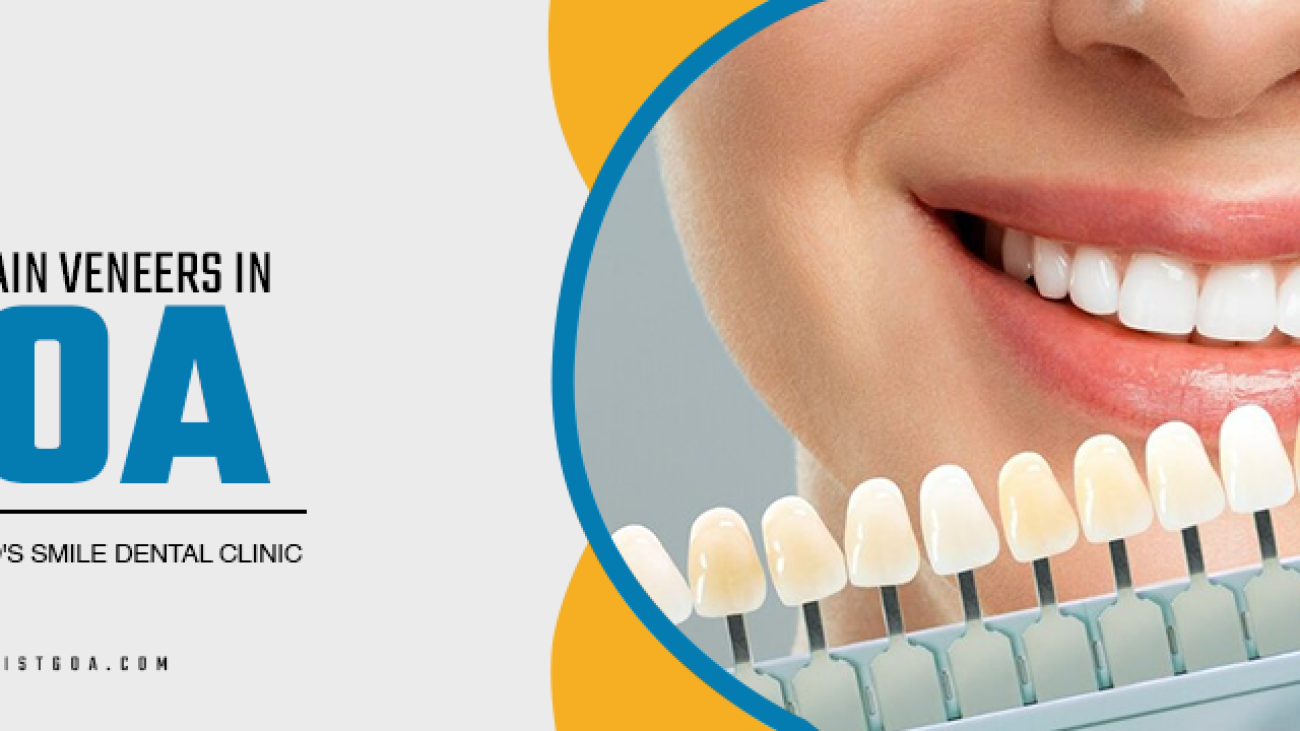
Why Porcelain Veneers in Goa Are in A Cosmetic Trend?

Do you often feel your smile does not match your personality?

Many people struggle with stained, chipped, or misaligned teeth. These imperfections, though small, often reduce confidence during conversations, photos, and professional moments. Everyone wants a smile that reflects inner confidence and beauty.

However, achieving that perfect smile often feels complicated, time-consuming, and expensive. Traditional treatments may require braces, whitening, or several procedures. Understandably, these create hesitation for many individuals who want immediate results.

Thankfully, modern cosmetic dentistry offers a solution that addresses these challenges effectively. Porcelain veneers in Goa are becoming a top choice for people seeking stunning smiles. Let’s uncover why they are leading today’s cosmetic dental trends.

The Growing Popularity of Porcelain Veneers

Porcelain veneers have become one of the most requested dental cosmetic treatments globally. Their popularity stems from their ability to deliver instant transformations. Unlike lengthy orthodontic treatments, veneers provide quicker solutions for common smile imperfections.

Dentists and patients admire veneers because they balance aesthetics with durability. Furthermore, celebrities and influencers often showcase veneers, making them aspirational. Today’s patients are not only concerned with health but also with appearances. That is why demand continues rising across different age groups.


What Exactly Are Porcelain Veneers?

Porcelain veneers are thin, custom-made shells crafted from durable ceramic materials. They are carefully bonded to the front surface of teeth. This process enhances the shape, colour, and alignment of your smile without extensive invasive treatments.

Dentists design veneers to match your natural teeth while still improving overall aesthetics. With technological advancements, veneers now appear more natural than ever. Additionally, they resist stains better than natural enamel, ensuring long-lasting brightness.


Addressing Common Dental Imperfections

Veneers are versatile, addressing multiple dental concerns in one treatment. This versatility is why ceramic dental veneers dominate cosmetic dentistry trends today.

  • Stains And Discolouration: Stubborn stains unresponsive to whitening fade instantly with veneers.
  • Chipped Or Cracked Teeth: Veneers restore a smooth, uniform appearance quickly.
  • Gaps & Minor Misalignments: They close spaces without requiring braces.
  • Worn Teeth: They add strength while enhancing beauty.

Through these benefits, veneers deliver life-changing improvements for individuals frustrated with traditional solutions.


Ceramic Dental Veneers


Why Are Veneers in Such High Demand?

Several reasons explain why porcelain veneers are now viewed as the “go-to” cosmetic treatment.

  1. Instant Results: Unlike orthodontics, veneers show dramatic transformations almost immediately.
  2. Natural Look: High-quality porcelain reflects light like real enamel, creating a seamless finish.
  3. Durability: With proper care, veneers can last more than 10 years.
  4. Boosted Confidence: A brighter smile helps individuals feel more attractive and self-assured.

These benefits combine to create a strong appeal for people searching for a quick, reliable cosmetic fix.


The Emotional Impact of A Perfect Smile

A smile influences not just appearance but also emotional well-being. People with veneers often report higher self-esteem and improved social interactions. Confidence in one’s smile directly impacts personal and professional success.

Furthermore, veneers help individuals overcome insecurities related to teeth. With imperfections hidden, individuals no longer fear laughing, speaking, or smiling in public. This emotional shift alone explains why porcelain veneers in Goa are trending.


The Process: What to Expect with Porcelain Veneers

Understanding the procedure helps remove the anxiety many feel before treatment. The process is simple, efficient, and minimally invasive.

  1. Consultation: Dentists assess needs, discuss goals, and create a personalised treatment plan.
  2. Preparation: A thin layer of enamel is gently removed to ensure proper bonding.
  3. Impressions: Accurate moulds are taken to design veneers that perfectly fit your teeth.
  4. Placement: Once crafted, veneers are permanently bonded, completing your smile transformation.

With proper guidance from skilled dentists, the process feels smooth and stress-free.


The Longevity of Porcelain Veneers in Goa

Durability is another reason veneers stay in the cosmetic trend. High-quality porcelain resists stains, wear, and chipping better than alternatives. With correct oral hygiene, veneers last for many years without major concerns.

Routine dental check-ups, proper brushing, and avoiding hard chewing preserve their condition. Many patients enjoy beautiful results for a decade or longer, making veneers a worthy investment.


Comparing Porcelain Veneers to Other Cosmetic Options

To understand their popularity, it helps to compare veneers with alternative treatments.

  • Whitening: Effective for mild discolouration but less useful for resistant stains.
  • Bonding: Affordable but less durable and prone to staining.
  • Braces Or Aligners: Great for alignment, but time-consuming and less cosmetic-focused.

A veneer specialist dentist can combine the strengths of multiple treatments into one long-lasting solution. That is why they dominate cosmetic dental choices.


Veneer Specialist Dentist


The Influence of Celebrities And Media

Celebrities often spark global trends. Their radiant smiles, often enhanced with veneers, inspire millions to consider similar treatments. Social media platforms amplify this influence further.

Photos showcasing perfect teeth make people aspire for identical results. Dentists frequently report patients requesting “celebrity smiles.” Consequently, veneers become associated with beauty, success, and modern sophistication.


Are Porcelain Veneers Right for Everyone?

Though popular, veneers may not suit every individual. Dentists in Goa evaluate oral health before recommending them. Patients with strong gums and adequate enamel are ideal candidates.

However, individuals with severe dental issues may require alternative treatments first. Consulting a professional ensures safety and effectiveness. Dentists tailor advice based on your unique needs and long-term dental health.


Cost Considerations And Value

Porcelain veneers represent an investment in aesthetics and confidence. Their cost varies depending on material quality, the dentist’s expertise, and location. However, patients often view them as worthwhile compared to repeated short-term treatments.

The longevity and natural appearance make veneers cost-effective in the long run. Additionally, the psychological benefits of a confident smile add immense personal value.


Maintaining Your Veneers for Lasting Beauty

Proper care is essential for maintaining results. Daily brushing, flossing, and regular professional cleaning protect veneers from potential issues. Avoiding excessive coffee, red wine, or smoking helps preserve their shine.

Additionally, wearing a mouthguard during sports prevents accidental damage. With these habits, veneers remain attractive and functional for many years.


Future Trends in Cosmetic Dentistry & Veneers

Technology continues to shape cosmetic dentistry. Future veneers may feature enhanced materials, offering even greater strength and translucency. Additionally, digital imaging will further personalise smiles with unmatched precision.

As demand rises, accessibility and affordability will also improve. Therefore, porcelain veneers will likely remain at the forefront of cosmetic dental solutions for years ahead.


Final Thoughts

Porcelain veneers in Goa have redefined cosmetic dentistry by providing fast, durable, and natural-looking solutions. They address imperfections while boosting confidence in personal and professional spaces.

Their continued popularity proves they are more than just a passing trend. Instead, veneers represent a modern approach to timeless beauty.

If you dream of a confident smile that reflects your personality, veneers may be your answer. Schedule a consultation at Dr. DMello’s Smile Dental Clinic today to discover if this cosmetic trend suits you.

Oral hygiene tips for adults

5 Essential Oral Hygiene Tips for Healthy Adult Gums

Healthy gums are the foundation of a confident smile and overall oral health. Sadly, many adults focus only on their teeth. However, your gums need equal care to prevent painful conditions like gingivitis or periodontitis. Poor gum health can also impact your overall well-being, increasing the risks of heart disease or diabetes. Therefore, adopting daily habits as oral hygiene tips for adults is essential for maintaining a beautiful smile and preventing costly dental treatments. Many adults unknowingly make small mistakes in their oral hygiene routine. These mistakes slowly damage gums and cause long-term problems.

With consistent care and the right techniques, you can keep your gums healthy for years.

So, let’s explore five essential oral hygiene tips every adult should follow for strong, healthy gums and improved oral health. These tips are simple yet highly effective for maintaining gum strength and preventing diseases.


1. Brush Twice Daily with Gentle Circular Motions

Brushing twice a day is non-negotiable for maintaining healthy gums and preventing plaque buildup. Yet, your brushing technique matters greatly. Many adults use aggressive back-and-forth strokes, which can harm gum tissues over time.

Instead, opt for gentle circular motions that clean effectively without damaging your gum line. Additionally, choose a toothbrush with soft bristles to avoid unnecessary irritation. Dentists recommend brushing for at least two minutes during each session.

Moreover, ensure you cover every surface, including along the gum line and behind your teeth. Gum recession can be brought on by overbrushing or using too much pressure. So, remember—gentle strokes protect your gums and clean your teeth effectively.

2. Floss Daily to Remove Hidden Plaque And Food Particles

Even the best toothbrush cannot reach every corner of your mouth. If such a thing affected you, you need an oral health consultation in Goa.

It’s because food particles often remain trapped between teeth, leading to plaque buildup. This is why flossing daily is essential for gum health. So, when plaque hardens, it becomes tartar, which irritates gums and may lead to inflammation. Flossing removes these hidden threats effectively. Use a gentle sawing motion to avoid hurting your gums while cleaning between teeth.

Additionally, if traditional floss feels uncomfortable, try floss picks or water flossers for convenience. Flossing might feel time-consuming initially, but it becomes a quick daily habit. Over time, it significantly reduces gum disease risks.


oral health consultation in Goa


3. Use Antimicrobial Mouthwash for Extra Protection

A good antimicrobial mouthwash offers added protection against bacteria that cause gum inflammation and bad breath. It reaches areas missed during brushing or flossing.

When choosing a mouthwash, look for products containing chlorhexidine or essential oils for maximum antibacterial benefits. For optimal effects, use it after brushing and flossing. Swish the mouthwash for about 30 seconds before spitting it out. It’s one of the easiest oral hygiene tips for adults that you can apply to yourself.

But keep in mind that mouthwash should be used in addition to brushing and flossing, not instead of them. It works as an additional barrier against harmful bacteria and plaque buildup. Consistent use keeps your gums fresh, clean, and less prone to infections.

4. Eat A Gum-Friendly Diet Rich in Nutrients

Gum health is significantly influenced by your diet. Nutrients like vitamin C, calcium, and omega-3 fatty acids strengthen gum tissues. Include foods like oranges, spinach, almonds, and fatty fish in your meals.

Additionally, avoid sugary snacks and drinks, as they encourage plaque formation and bacterial growth. If you consume them, rinse your mouth afterwards. Crunchy vegetables like carrots and celery naturally clean teeth while stimulating saliva production, which protects gums.

Drinking enough water throughout the day also helps wash away food particles and maintain gum hydration. Healthy eating benefits your entire body, but its positive impact on gum health is undeniable.

5. Schedule Regular Dental Check-Ups & Cleanings

No matter how good your home care routine is, professional dental check-ups are essential. Early indicators of gum disease can be identified by dentists.

Regular professional cleanings remove tartar buildup that you cannot remove with brushing or flossing. Additionally, the best dentist in Goa, Baga, provides personalised advice based on your gum health condition.

Most adults should visit their dentist at least twice yearly. However, those with gum concerns may need more frequent visits. Consistent checkups ensure early treatment, which helps prevent serious gum issues and tooth loss.


best dentist in Goa


Bonus Tip: Avoid Smoking And Limit Alcohol for Stronger Gums

Smoking is one of the leading causes of gum disease in adults. It weakens your immune system and slows gum healing. Additionally, tobacco reduces blood flow to the gums, making them more vulnerable to infections and recession. Even light smoking harms gum tissues over time.

Similarly, excessive alcohol consumption creates a dry mouth environment, allowing harmful bacteria to thrive. This increases the risk of gum inflammation and decay.

If quitting smoking feels challenging, seek professional support or join a cessation program. Small steps can create lasting positive effects on gum health. Switching to healthier lifestyle choices not only benefits your gums but also improves your overall wellness and confidence in daily life.


Final Thoughts

Maintaining healthy gums requires consistent daily care and mindful lifestyle choices. By brushing gently, flossing daily, using mouthwash, eating a balanced diet, and visiting your dentist regularly, you can protect your gums for life. So, try to comply with these oral hygiene tips for adults.

Healthy gums mean a healthier smile, fresher breath, and better overall well-being. So, start following these simple yet powerful gum care tips today because your smile is worth every effort. Still, if you have any issues regarding your teeth and gums, consider visiting Dr. Dmello’s Smile Dental Clinic as early as possible.