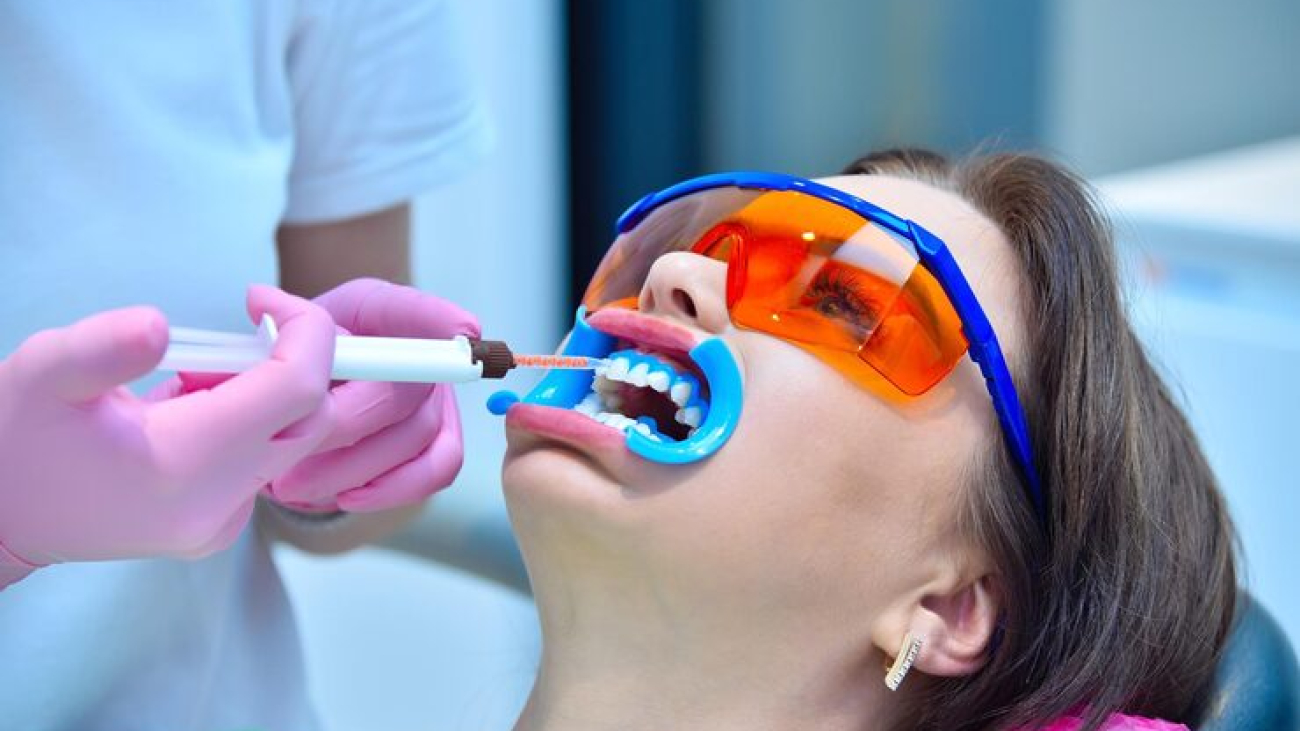
Laser gum treatments in Goa

What to Expect from Laser Gum Treatments in Goa?

Oral health plays a vital role in your overall well-being, yet gum disease often goes unnoticed until they become severe. Traditional gum treatments, while effective, can sometimes involve discomfort, bleeding, and longer recovery periods. Fortunately, modern dentistry has introduced advanced solutions like laser gum treatments, which offer a minimally invasive, precise, and comfortable alternative.

In Goa, a region known for its blend of relaxation and healthcare excellence, laser dental treatments are becoming increasingly popular among both residents and medical tourists. Patients are now seeking treatments that are not only effective but also reduce downtime and anxiety associated with dental procedures. Laser Gum Treatments in Goa meet these expectations by using focused light energy to treat infected or damaged gum tissues without the need for scalpels or stitches. From the procedure itself to recovery and benefits, this guide will walk you through every aspect, ensuring you feel confident and prepared before your dental visit in Goa.
 

Best Dental Clinic in Goa

What Are Laser Gum Treatments?

Laser gum treatments at the Dental Clinic in Goa involve the use of advanced dental lasers to remove infected gum tissue, eliminate bacteria, and promote healing. Unlike traditional methods that rely on manual tools, lasers provide a highly targeted approach.

Key Uses:

  • Treating periodontal (gum) disease
  • Reducing gum inflammation and bleeding
  • Reshaping gum lines (cosmetic contouring)
  • Removing infected tissues with precision

The laser emits concentrated light energy that sterilises the treatment area while minimising damage to surrounding healthy tissue.


Why Choose Laser Gum Treatments in Goa?

Goa has emerged as a preferred destination for dental tourism due to its high-quality clinics and experienced professionals.

Benefits of Choosing Goa:

  • Access to modern dental technology
  • Skilled and experienced dental specialists
  • Cost-effective treatments compared to those in many countries
  • Relaxing environment ideal for recovery

Patients often combine their dental treatment with a peaceful getaway, making the experience less stressful and more enjoyable.


The Procedure: Step-by-Step Overview

Understanding the process with the Best Dental Clinic in Goa  can help ease any anxiety you may have.

Initial Consultation

Your dentist will assess your gum condition through examination and possibly digital imaging. This helps determine whether laser treatment is suitable for you.

Preparation

Local anaesthesia may be used to ensure comfort, although many patients report minimal discomfort even without it.

Laser Application

The dental laser is used to:

  • Remove infected tissue
  • Kill bacteria deep within gum pockets
  • Stimulate tissue regeneration

Cleaning and Sealing

After removing the diseased tissue, the dentist cleans the area and may smooth the tooth roots to prevent further bacterial buildup.

Recovery Instructions

You will receive post-treatment care guidelines to ensure proper healing.
 

Dental Clinic in Goa

Benefits of Laser Gum Treatments

Laser Gum Treatments in Goa offer several advantages over traditional gum surgery:

Minimally Invasive

No scalpels or stitches are required, reducing trauma to the gums.

Faster Healing

Laser treatments promote quicker tissue regeneration and recovery.

Less Bleeding

The laser seals blood vessels as it works, minimising bleeding.

Lower Risk of Infection

The laser sterilises the area, reducing bacterial presence.


Who Is an Ideal Candidate?

Laser gum treatments are suitable for a wide range of patients, including those who:

  • Have mild to moderate gum disease
  • Experience bleeding or swollen gums
  • Want cosmetic gum reshaping
  • Prefer minimally invasive procedures
  • Have dental anxiety

However, severe cases may still require traditional surgical approaches, depending on the diagnosis.


What to Expect During Recovery?

Recovery from laser gum treatment is typically smooth and quick.

Post-Treatment Experience:

  • Minimal swelling compared to traditional surgery
  • Ability to resume normal activities within 24 hours

Aftercare Tips:

  • Maintain proper oral hygiene
  • Avoid hard or spicy foods temporarily
  • Follow your dentist’s instructions carefully
  • Attend follow-up appointments

Most patients notice improvement in gum health within a short period.


Cost of Laser Gum Treatments in Goa

The cost can vary depending on the severity of the condition and the clinic.

Factors Affecting Cost:

  • Extent of gum disease
  • Number of sessions required
  • Technology used
  • Dentist’s expertise

Even with advanced technology, treatments in Goa are generally more affordable than in Western countries, making it a popular choice for international patients.

Are There Any Risks?

Laser gum treatments are considered safe, but like any medical procedure, there are minor risks.

Possible Risks:

  • Temporary sensitivity
  • Mild discomfort
  • Rare cases of gum irritation

Choosing a qualified and experienced dentist significantly reduces these risks.


Laser vs Traditional Gum Surgery

Feature Laser Treatment Traditional Surgery
Pain level Minimal Moderate
Bleeding Very low Higher
Recovery time Fast Longer
Invasiveness Minimally invasive More invasive
Stitches requirement No Yes


Why Patients Prefer Laser Dentistry?

Patients today prioritise comfort, speed, and effectiveness. Laser gum treatments align perfectly with these expectations by offering:

  • Stress-free procedures
  • Quick appointments
  • Long-lasting results
  • Improved overall dental experience

This shift toward advanced dentistry is transforming how people approach oral healthcare.


Final Thoughts

Laser gum treatments in Goa represent the future of dental care—efficient, precise, and patient-friendly. Whether you are addressing gum disease or seeking cosmetic improvements, laser technology offers a superior alternative to traditional methods with minimal discomfort and faster recovery.

If you are considering this advanced dental solution, choosing a trusted clinic is essential for the best results. For expert care and state-of-the-art laser dental procedures, visit Dr. DMellos Smile Dental Clinic, Baga Rd, Calangute, Goa to explore your options and take the first step toward healthier gums and a confident smile.


Frequently Asked Questions


1. Is laser gum treatment painful?

Laser gum treatments in Goa are generally painless or involve minimal discomfort. Most patients report a much more comfortable experience compared to traditional gum surgery, often requiring little to no anaesthesia.


2. How long does it take to recover from laser gum treatment?

Recovery is usually quick, with most patients resuming normal activities within 24 hours. Mild sensitivity or soreness may last a few days but resolves quickly.


3. How many sessions are required for laser gum treatment?

The number of sessions depends on the severity of the gum disease. Mild cases may require just one session, while advanced conditions may need multiple visits.


4. Is laser gum treatment safe?

Yes, laser gum treatment is a safe and FDA-approved procedure when performed by a qualified dental professional. It reduces the risk of infection due to its sterilising effect.


5. Who should consider laser gum treatment?i

Anyone experiencing gum disease symptoms like bleeding, swelling, or gum recession can consider this treatment. It is especially ideal for patients seeking a minimally invasive and faster-healing option.
Best Pediatric Dentist in Baga

Signs You Need the Best Pediatric Dentist in Baga

A child’s dental health plays a crucial role in their overall well-being, confidence, and development. While many parents assume that baby teeth don’t require much attention, early dental care is essential to prevent long-term oral issues. From tooth decay to alignment concerns, recognising the early signs of dental problems can save your child from pain and complex treatments later. If you’re unsure whether your child needs the Best Pediatric Dentist in Baga, understanding these warning signs can help you make informed decisions and ensure your little one maintains a healthy, happy smile.

Child dentistry near Goa

Persistent Tooth Pain or Sensitivity

One of the most obvious signs your child needs Child dentistry near Goa is ongoing tooth pain or sensitivity. Children may not always clearly express discomfort, but complaints about pain while eating, drinking, or brushing should never be ignored.

Tooth pain could indicate:

  • Cavities or tooth decay
  • Infections or abscesses
  • Damaged enamel

Sensitivity to hot or cold foods can also suggest underlying dental issues. A pediatric dentist can identify the root cause early and prevent it from worsening.


Frequent Cavities or Tooth Decay

If your child is developing cavities frequently despite regular brushing, it may be time to consult a specialist. Pediatric dentists are trained to:

  • Identify hidden decay
  • Recommend preventive treatments like fluoride or sealants
  • Guide proper brushing techniques

Early intervention ensures that minor cavities don’t turn into major dental problems that require invasive procedures.


Bleeding or Swollen Gums

Healthy gums should not bleed during brushing or flossing. If you notice bleeding gums, swelling, or redness, it may be a sign of gum disease or poor oral hygiene.

Common causes include:

  • Plaque buildup
  • Improper brushing habits
  • Vitamin deficiencies

A pediatric dentist can assess gum health and recommend treatments or lifestyle changes to restore oral hygiene.


Difficulty in Chewing or Biting

If your child complains about pain while chewing or avoids certain foods, it could indicate underlying dental issues such as:

  • Misaligned teeth
  • Cavities
  • Jaw problems

Difficulty in chewing not only affects oral health but can also impact nutrition. Early dental evaluation can prevent complications.

dentist near Goa

Thumb Sucking or Prolonged Pacifier Use

While thumb sucking and pacifier use are normal in infants, prolonged habits can lead to:

  • Misaligned teeth
  • Bite issues
  • Changes in jaw structure

If these habits continue beyond the age of 3–4 years, the Best Pediatric Dentist in Baga can guide you on corrective measures and help prevent long-term orthodontic issues.


Bad Breath That Doesn’t Go Away

Occasional bad breath is normal, but persistent bad breath (halitosis) may indicate deeper problems, such as:

  • Tooth decay
  • Gum infections
  • Poor oral hygiene

A pediatric dentist can identify the source and recommend treatments to eliminate the issue.


Delayed or Irregular Tooth Eruption

Children typically follow a predictable pattern when it comes to tooth eruption. If your child’s teeth are coming in too early, too late, or irregularly, it may signal developmental concerns.

A pediatric dentist near Goa can:

  • Monitor growth patterns
  • Detect alignment issues early
  • Recommend corrective treatments if necessary


Teeth Grinding (Bruxism)

Teeth grinding during sleep is common in children, but if it becomes frequent or severe, it can:

  • Wear down enamel
  • Cause jaw pain
  • Lead to headaches

A pediatric dentist can assess the severity and suggest solutions such as night guards or behavioural strategies.


White Spots or Discolouration on Teeth

White spots, yellowing, or brown stains on teeth are early indicators of enamel damage or decay. These signs often go unnoticed until the condition worsens.

Early detection allows for:

  • Remineralization treatments
  • Prevention of cavities
  • Improved oral hygiene practices


Fear or Anxiety About Dental Visits

If your child shows extreme fear or anxiety about dental visits, it may be beneficial to switch to a pediatric dentist. Pediatric specialists are trained to:

  • Create a child-friendly environment
  • Use gentle communication techniques
  • Reduce dental anxiety

This ensures a positive dental experience and encourages lifelong oral care habits.

Mouth Breathing or Snoring

Mouth breathing, especially during sleep, can affect oral health and facial development. It may lead to:

  • Dry mouth
  • Increased risk of cavities
  • Improper jaw development

A pediatric dentist can identify underlying causes and collaborate with other healthcare professionals if needed.


Injuries or Dental Trauma

Children are active and prone to falls or accidents that can damage teeth. Even minor injuries should be evaluated by a pediatric dentist to rule out:

  • Cracks or fractures
  • Root damage
  • Hidden infections

Prompt care can prevent long-term complications.


Why Early Pediatric Dental Care Matters?

Taking your child to a pediatric dentist at the right time offers several benefits:

  • Early detection of dental issues
  • Preventive care and guidance
  • Reduced risk of complex treatments later
  • Building positive dental habits

Children who receive early dental care are more likely to maintain healthy oral hygiene throughout their lives.


How to Choose the Best Pediatric Dentist in Baga?

When selecting a pediatric dentist, consider the following:

  • Experience with children’s dental care
  • A friendly and welcoming clinic environment
  • Use of modern dental technology
  • Positive reviews and recommendations

Choosing the right dentist ensures your child receives the best care in a comfortable setting.


Bottom Line

Recognising the early signs of dental issues in children is essential for maintaining their oral health and overall well-being. From persistent tooth pain to unusual habits like thumb sucking or teeth grinding, these indicators should never be ignored. Timely intervention by a skilled pediatric dentist can prevent minor issues from becoming serious concerns.

If you’re looking for the Best Pediatric Dentist in Baga, visit Dr. DMellos Smile Dental Clinic, Baga Rd, Calangute, Goa  to explore professional pediatric dental services in Baga. Ensuring your child’s smile stays healthy today will set the foundation for a lifetime of confident, pain-free living.


Frequently Asked Questions


1. When should I take my child to a pediatric dentist for the first time?

It is recommended to take your child to a pediatric dentist by their first birthday or within six months after their first tooth appears. Early visits help detect potential issues, educate parents on oral care, and create a positive dental experience for the child from the beginning.


 2.  How do I know if my child has a cavity?

Common signs of cavities in children include tooth pain, sensitivity to hot or cold foods, visible holes or dark spots on teeth, and discomfort while chewing. However, some cavities may not show obvious symptoms, which is why regular dental check-ups are essential for early detection and treatment.


3. Is teeth grinding in children something to worry about?

Teeth grinding (bruxism) is fairly common in children, especially during sleep. While occasional grinding may not be harmful, frequent or severe grinding can damage enamel and cause jaw discomfort. A pediatric dentist can assess the condition and recommend appropriate solutions if needed.


4. What can I do if my child is afraid of visiting the dentist?

To reduce dental anxiety, choose the Best Pediatric Dentist in Baga who specialises in treating children. You can also prepare your child by talking positively about dental visits, reading books about dentists, and scheduling appointments at times when your child is well-rested. A child-friendly clinic environment also helps ease fear.


5. How often should children visit a pediatric dentist?

Children should ideally visit a pediatric dentist every six months for routine check-ups and cleanings. However, the frequency may vary depending on the child’s oral health needs. Regular visits help prevent dental problems and ensure timely treatment if issues arise.


Root Canal Post Treatment Care

Root Canal Post Treatment Care: How to Prevent Pain and Complications?

A root canal treatment is often misunderstood as a painful dental procedure, but in reality, it is designed to relieve pain and save a severely infected or damaged tooth. Modern dentistry has made root canal therapy comfortable, efficient, and highly successful. However, what many patients overlook is the importance of proper post-treatment care. The hours and days following a root canal are crucial in determining how smoothly you recover and how well your treated tooth functions in the long term.

After the procedure, mild discomfort, tenderness, or sensitivity is normal. This usually subsides within a few days if you follow your dentist’s instructions carefully. Poor aftercare, on the other hand, can lead to prolonged pain, infection, or even treatment failure. Understanding what to expect and how to care for your tooth can significantly impact your healing journey. In this guide, we’ll walk you through practical, dentist-approved tips to prevent pain and complications after a Root Canal Post Treatment Care


Dr. DMellos Smile Dental Clinic, Baga Rd, Calangute, Goa


Understanding What Happens After a Root Canal

A root canal removes infected pulp tissue from inside your tooth. Even though the infection is eliminated, the surrounding tissues may remain slightly inflamed for a few days.

You may experience:

  • Mild to moderate soreness
  • Sensitivity when biting
  • Slight swelling around the treated area
  • Jaw stiffness due to keeping your mouth open during the procedure

These symptoms are typically temporary and manageable with proper Root Canal Post Treatment Care.


Manage Pain and Discomfort Effectively

Take Prescribed Medications

Your dentist may recommend:

  • Over-the-counter pain relievers such as ibuprofen
  • Prescribed antibiotics if the infection was severe

Take medications exactly as instructed. Do not skip doses of antibiotics, even if you start feeling better.


Avoid Chewing on the Treated Side

One of the most common mistakes patients make is chewing on the treated tooth too soon.

Why This Is Important

After a root canal:

  • The tooth may be temporarily weak
  • A temporary filling may not be as strong as a permanent crown
  • Excess pressure can cause cracks or fractures

Avoid chewing hard, sticky, or crunchy foods until your permanent restoration (usually a crown) is placed.


Choose Soft Foods During Recovery

Stick to soft, easy-to-chew foods for a few days, such as:

  • Yogurt
  • Mashed potatoes
  • Scrambled eggs
  • Soups (not too hot)
  • Smoothies

Avoid:

  • Hard candies
  • Nuts
  • Chips
  • Chewing gum
  • Extremely hot or cold foods if sensitivity persists

A gentle diet gives your teeth and the surrounding tissues time to heal.


Maintain Excellent Oral Hygiene

Proper oral hygiene is essential to prevent reinfection.

Brush and Floss Carefully

  • Brush twice daily using a soft-bristle toothbrush
  • Floss gently around the treated tooth
  • Avoid aggressive brushing

Do not skip cleaning the treated area. Keeping the mouth clean prevents bacterial buildup and reduces complications.

Use an Antibacterial Mouth Rinse

If recommended by your dentist, use a mild antibacterial rinse to maintain oral health and reduce bacterial load.


Get the Permanent Crown on Time

In many cases, a root canal-treated tooth requires a crown to restore strength and function. 

Why a Crown Is Necessary

After pulp removal, the tooth:

  • Becomes more brittle
  • Is prone to fractures
  • Needs structural reinforcement


Delaying the crown increases the risk of:

  • Tooth fracture
  • Reinfection
  • Need for retreatment or extraction

Follow your dentist’s timeline for the permanent restoration carefully. If you are looking for the best treatment of Root canals in Baga, Calangute, you can consult Dr Kuldeep D’Mello.


Watch for Warning Signs

Contact Your Dentist If You Notice:

  • Severe pain that worsens after a few days
  • Persistent swelling
  • Pus discharge
  • Fever
  • A bad taste in your mouth
  • Allergic reaction to medication
  • A cracked or lost temporary filling

Early intervention can prevent major problems.


Avoid Smoking and Alcohol

Smoking slows down healing and increases infection risk. Alcohol can interfere with prescribed medications and delay recovery.

For the best results of the root canal treatment:

  • Do not consume alcohol while taking antibiotics or pain medication


Root canals in Baga

Prevent Future Dental Problems

A root canal saves your natural tooth, but long-term success depends on ongoing dental care.

Schedule Regular Dental Check-Ups

Routine visits allow your dentist to:

  • Monitor the treated tooth
  • Ensure the crown is functioning properly
  • Detect early signs of any issue

Practice Preventive Care

  • Maintain consistent brushing and flossing habits
  • Reduce sugary foods and drinks
  • Use fluoride toothpaste

Good oral hygiene minimises the risk of future infections.


How Long Does Recovery Take?

Most patients feel significantly better within 3–5 days. Full healing of the surrounding tissues may take a few weeks. Once the permanent crown is placed, the tooth can function like a natural tooth for many years.

With proper care, root canal treatment has a high success rate and can last a lifetime.


Common Myths About Post-Root Canal Pain

Myth 1: Severe Pain Is Normal

Truth: Mild soreness is normal. Severe, increasing pain is not and requires evaluation.

Myth 2: You Don’t Need a Crown

Truth: In most cases, a crown is essential for long-term durability.

Myth 3: The Tooth Is Completely Healed Immediately

Truth: While the infection is removed, surrounding tissues still need time to recover.


Final Words

The success of the root canal treatment doesn’t end in the dental chair. Proper Root Canal Post Treatment Care plays a critical role in preventing pain, avoiding complications, and ensuring long-term durability.

If you are seeking expert root canal treatment and comprehensive aftercare guidance, visit Dr. DMellos Smile Dental Clinic, Baga Rd, Calangute, Goa. Our experienced dental professionals provide personalised care, advanced technology, and patient-focused treatment to ensure your recovery is smooth, comfortable, and complication-free.


Frequently Asked Questions

How long does pain last after a root canal?

Mild discomfort or sensitivity usually lasts 3–5 days after the root canal treatment. Some tenderness while biting may continue for a short period in Root Canal Post Treatment Care as the surrounding tissues heal. However, severe or worsening pain is not normal and should be evaluated by your dentist immediately.


Is it normal to feel sensitivity when biting after treatment?

Yes, slight sensitivity while chewing is common for a few days. This happens because the tissues around the treated tooth may still be inflamed. Avoid chewing hard foods on that side until the discomfort subsides and your permanent crown is placed.


Can a root canal-treated tooth get infected again?

Although root canal treatments have a high success rate, reinfection is possible if the tooth is not properly restored with a crown, if oral hygiene is poor, or if the tooth has a crack. Regular dental check-ups and good oral care significantly reduce this risk.


When can I eat normally after a root canal?

You can eat once the numbness wears off, but it’s best to stick to soft foods for the first few days. Avoid chewing on the treated side until the permanent restoration is completed to prevent damage to the temporary filling.


Do I always need a crown after a root canal?

In most cases, yes. A crown strengthens and protects the treated tooth, which becomes more brittle after the pulp is removed. Skipping the crown increases the risk of fractures and future complications.

Dr. DMello's Smile Dental Clinic

The Complete Guide to Dental Bonding for Gaps: Tips for Flawless Smile

A bright smile helps people feel happy and confident in daily life. Many people notice small spaces between teeth and feel shy while talking or laughing. Today, more families look for simple ways to improve their smiles without complex treatment. One trusted option is dental bonding for gaps, which many patients now choose for quick improvement. It offers gentle care and natural-looking results that blend well with real teeth. In addition, the process usually finishes in one visit and saves useful time. Social photos and videos also make smiles more noticeable than before. This guide shares clear facts, helpful tips, and simple advice for better smile choices. You will learn how the treatment works and how to prepare with confidence. You will also understand who benefits most and how to care for results. Therefore, reading this guide can help you make calm and smart decisions.  

Dental Bonding for Gaps Explained Simply

Many people want clear and simple answers about smile care. Dentists use a tooth-coloured resin to improve shape and close spaces. This material blends with natural enamel and reflects light like real teeth. Dental bonding for gaps relies on safe resin to softly fill tiny spaces between teeth. First, the dentist prepares the tooth surface with care. Then they apply the soft resin and shape it slowly. A dental light helps the material set fast. 

After that, the dentist polishes the tooth for a smooth finish. As a result, the smile looks natural and balanced. Most people feel relaxed during the visit. In addition, the process rarely needs injections. So, it suits people who feel nervous. Quick results also make it popular for events. Simple care afterward keeps the look fresh.

What Causes Gaps Between Teeth?

Tooth gaps appear for several natural reasons in children and adults. Some families share this trait across generations. Therefore, genes can influence spacing. Dental bonding for gaps often helps when spaces are small and stable. However, dentists still check the root cause first. Tooth and jaw size differences may leave extra room. Missing teeth can also create visible spaces. Gum problems sometimes move teeth slowly. 

In addition, certain habits push teeth forward over time. Tongue pressure is one example dentists often notice. Thumb sucking during childhood can also affect alignment. Furthermore, teeth may shift slightly with age. A dental check helps find the real cause. Fixing the cause protects long-term results. So, early advice always helps. Healthy gums also support better outcomes.

Dental bonding for gaps

How Dental Bonding for Gaps Works 

Understanding the steps helps people feel calm and prepared. The visit begins with a careful smile check and discussion. The process for dental bonding for gaps is simple and gentle. First, the dentist chooses a shade that matches your teeth. This step ensures natural blending. Next, they clean and prepare the tooth lightly. Then, the dentist carefully adds soft resin to the tooth edge. Careful shaping closes the space slowly. A curing light hardens the resin quickly. 

After that, the dentist polishes the surface for shine. The tooth then feels smooth and natural. Most visits finish in one sitting. Therefore, people enjoy quick improvement. In addition, you can smile normally the same day. Good care afterward protects the result. Regular checkups also support lasting beauty.

Expert Tips Before Getting Dental Bonding for Gaps

Planning helps you enjoy better and safer results. Many dentists suggest a consultation before any treatment. Dental bonding for gaps looks best when done by experienced hands. Therefore, ask to see real patient photos. In addition, share your smile goals clearly. Honest talks prevent misunderstandings later. Some dentists advise whitening before bonding. This helps match the resin shade better. 

Furthermore, ask how to maintain results. Good habits protect your smile. Also, mention grinding or nail-biting habits. These details help your dentist guide you. Take time to decide calmly. Rushing can lead to regret. So, trust professional advice. A clear plan brings peace of mind. Small preparation steps create big improvements. Careful choices always reward you.

Top Benefits of Dental Bonding for Gaps

People like treatments that feel simple and gentle. Dental bonding for gaps offers several friendly benefits for many smiles. First, dentists remove very little enamel. Therefore, natural teeth stay strong. In addition, the treatment finishes quickly. Many people resume work on the very same day. The cost often stays lower than major treatments. So, families find it manageable. 

Furthermore, the resin matches natural tooth colour. The result looks smooth and real. Small chips can also be fixed easily. Repairs feel simple if damage happens. Most people feel comfortable during the visit. Therefore, it suits nervous patients too. Quick changes also boost confidence. Many people smile more after treatment. Simple care keeps results bright.

Can Dental Bonding for Gaps Work for Your Teeth

Not every smile needs the same solution. Dentists first check teeth and gum health carefully. Dental bonding for gaps works best for small to medium spaces. Healthy gums help bonding stay strong. In addition, good brushing habits matter daily. People who avoid biting hard objects do well. Furthermore, teens and adults both qualify. Those wanting quick cosmetic changes often prefer this option. 

However, very large spaces may need other care. A dentist will guide you honestly. Listening helps you choose wisely. Each smile has unique needs. Therefore, personal advice always helps. A short visit answers many questions. Clear guidance prevents mistakes. Good candidates enjoy natural-looking improvements.

Dental Bonding for Gaps vs Other Smile Treatments

People often compare options before choosing smile care. Dental bonding for gaps focuses on small cosmetic changes. Veneers cover the tooth front and last longer. However, they cost more and need preparation. Braces move teeth and fix alignment. They work well for larger spacing. Aligners also shift teeth slowly. Crowns protect damaged teeth fully. Bonding works faster for minor spaces. 

Therefore, it suits quick improvements. In addition, it costs less than many options. Many people choose it for small fixes. However, each smile differs. A dentist explains the best path. Talking about goals helps greatly. Calm comparison leads to smart choices. Your smile deserves careful thought.

How Much Does Dental Bonding for Gaps Cost?

Treatment costs depend on tooth condition and clinic location. Dentist experience also affects pricing. Many patients look for the best dentist in Baga, Calangute, when planning care. Prices often stay lower than veneers or crowns. Therefore, many people start with bonding. Small spaces usually cost less to fix. Bigger shape changes may raise the fee. Clinics often explain costs clearly before starting. So, ask questions freely. Good dental care is an investment in confidence. 

Furthermore, small repairs later cost less. That saves money over time. Regular visits protect your results. Some clinics offer payment plans. These help families manage budgets. Clear talks prevent stress. Planning makes treatment smoother.

Aftercare Tips for Long-Lasting Bonding Results

Daily care keeps your smile bright and neat. Brush twice daily with a soft brush. Floss gently to clean between teeth. Avoid biting ice or pen caps. These habits can damage bonding. Limit coffee and dark drinks. They may stain surfaces slowly. Rinse your mouth after such drinks. 

Furthermore, visit your dentist for cleanings. Smooth surfaces stay shiny longer. Night guards help people who grind teeth. Ask your dentist if needed. In addition, eat balanced foods for gum health. Healthy gums support strong bonding. Simple habits protect your smile. Care today prevents future repairs. Small effort gives long rewards. Your smile will thank you.

best dentist in Baga, Calangute

How Long Does Dental Bonding for Gaps Last?

Bonding can last several years with proper care. Many people enjoy results for a long time. Good habits extend the lifespan. Avoiding hard bites protects the edges. Regular dental visits help spot wear early. Dentists may polish bonding to refresh shine. Small touch-ups can fix minor chips. Therefore, results stay pleasant. Lifestyle choices affect durability. So, protect your teeth daily. 

In addition, follow dentist advice closely. Gentle care makes a real difference. Each mouth is different. However, careful users see longer results. A little attention goes far. Smiles stay bright with care. Consistency brings the best outcome.

Dentist-Approved Secrets to a Truly Flawless Smile

A beautiful smile needs planning and balance. Dentists focus on symmetry for natural beauty. Careful shaping makes bonding look real. Smooth polishing adds a healthy shine. Less material often looks better. Regular visits keep smiles fresh. Our team at Dr DMellos Smile Dental Clinic believes in gentle care and clear guidance. We support patients at every step. We focus on natural results and comfort. If you want a better smile, talk with us. We are ready to help. A confident smile can change daily life. Therefore, take the first step soon. Book a visit and explore your options. Your smile deserves attention.

Final Thoughts

A healthy smile can lift your mood and improve daily confidence. Small changes often create big results when care feels simple and planned. Good habits and regular visits help your teeth stay neat and bright. Ask questions, share goals, and follow advice for steady results. Our team listens closely and guides each step with patience and clarity. At Dr DMellos Smile Dental Clinic, we support your smile journey. If you want a confident smile, talk with us and explore your options. Therefore, taking action now can protect your teeth and confidence. Book your visit today and let your brighter smile begin.


Is dental bonding for gaps painful?

Dental bonding is usually a comfortable and gentle treatment. Most people do not feel pain during the visit. Dentists work slowly and carefully on each tooth. In many cases, no injections are needed. You may feel slight pressure, but it stays manageable. Therefore, many nervous patients feel relaxed. Talking to your dentist also helps you stay calm.

How long does dental bonding for gaps last?

Dental bonding can last several years with proper care. Many people enjoy results for five years or more. Good habits help bonding stay strong and neat. Brushing and flossing daily protect the surface. Regular dental checkups also extend its life. Avoiding hard biting reduces damage risk. Therefore, simple care makes a big difference.

Can dental bonding for gaps look natural?

Bonding can look very natural when done by a skilled dentist. The resin colour gets matched to your teeth shade. Dentists shape the material to fit your smile. After polishing, the tooth reflects light naturally. Most people cannot notice the bonding. Therefore, it blends smoothly with nearby teeth. A good dentist focuses on symmetry and detail.

How should I care for my teeth after bonding?

Good care keeps your bonding clean and bright. Brush twice daily using a soft toothbrush. Floss gently to remove food between teeth. Try to limit coffee, tea, and dark drinks. These drinks can stain bonding over time. Also avoid biting ice or hard objects. Regular cleanings help maintain shine and smoothness.

Who is a good candidate for dental bonding for gaps?

People with small or medium gaps are often good candidates. Healthy gums and clean teeth also help bonding last longer. Those with good oral habits see better results. Bonding suits people wanting quick cosmetic changes. However, very large gaps may need other treatments. A dentist check helps confirm the right choice.